

Weather warnings and precautions
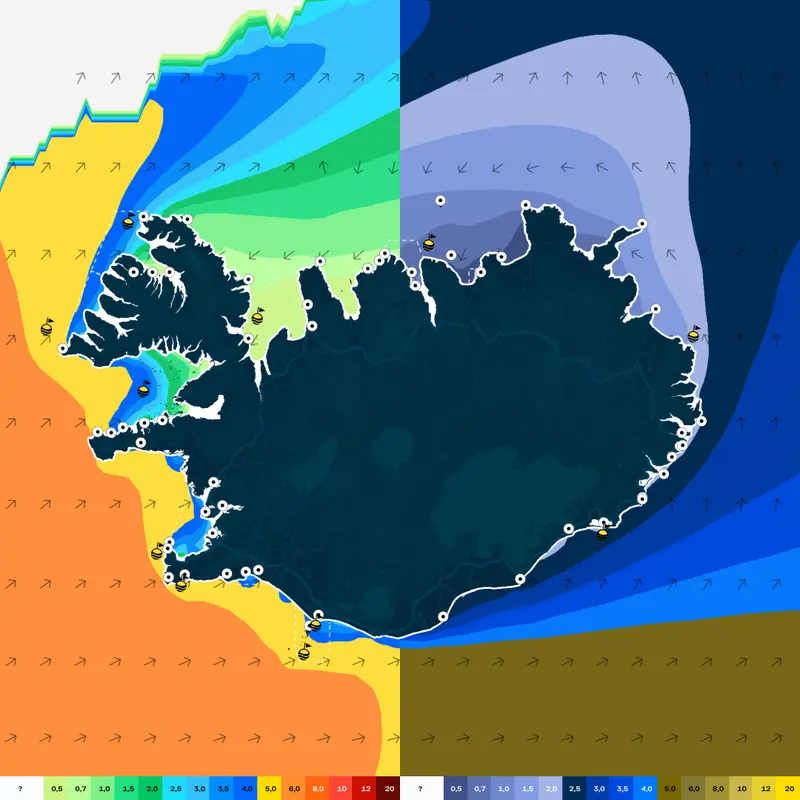
Iceland is known for its often unpredictable weather events. No matter the season, it is necessary to prepare accordingly in the event that you might be caught in a storm.
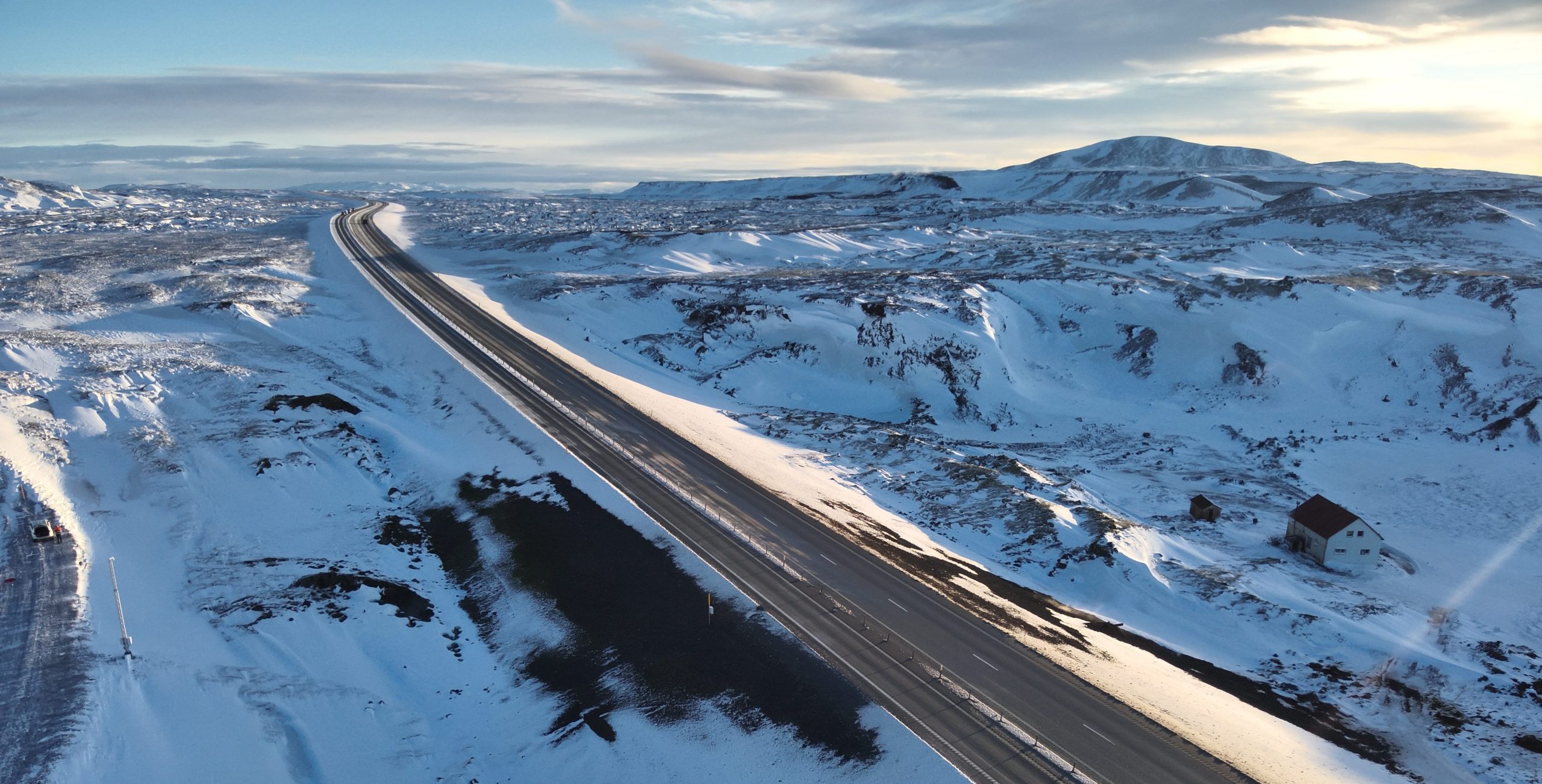
Strong winds can create hazardous travel conditions. Loose objects such as outdoor furniture, equipment, or temporary structures may be blown onto roads and paths, increasing the risk of accidents. Be especially alert when driving, cycling, or walking in exposed areas.
Before setting off, make sure vehicles, trailers, and loads are properly secured, and close all doors, windows, and hatches. Keep a safe distance from large vehicles, as wind gusts can affect their stability.
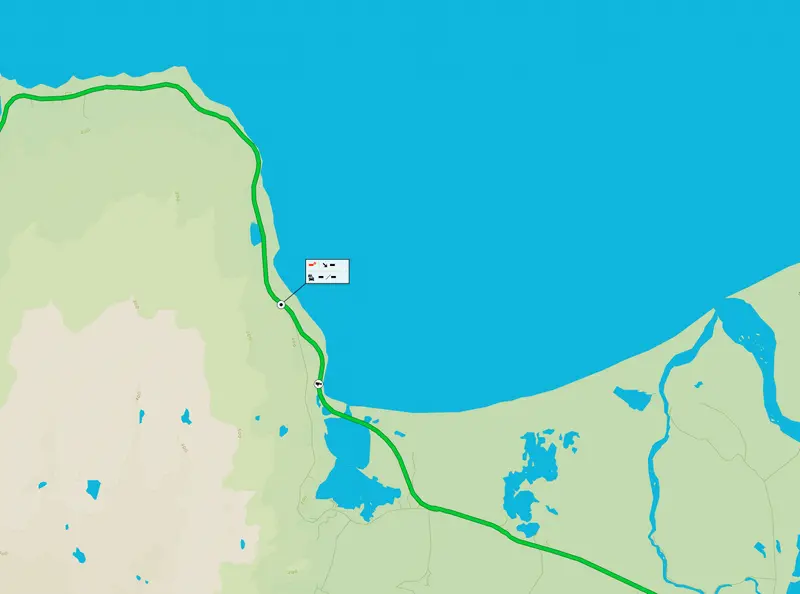
If possible, delay travel during severe weather. When travel cannot be avoided, closely monitor weather forecasts and road conditions and be prepared for sudden changes, such as reduced visibility, slippery surfaces, or road closures.
Severe weather may also impact the monitoring of natural hazards, as strong winds, sleet, and snow can interfere with measurements related to earthquakes and volcanic activity.
Always follow official warnings and advice, and stay informed through reliable sources to help ensure a safe journey for yourself and other road users.