2 september 2026Roads Are the Lifeline of Our Communities
Loftur Þór Jónsson joined the Icelandic Road and Coastal Administration around 18 months ago as Regional Director for East Iceland, having lived in Norway for several years. He says he usually has many balls in the air and that his work is varied.
Loftur holds a degree in forestry and spent many years as a lecturer and deputy head of the Department of Civil Engineering at the Western Norway University of Applied Sciences. There, he headed a programme in construction project management and taught courses in transport infrastructure construction and surveying. Before that, he worked on projects relating to land use, forestry and planning. But what drew him back to Iceland after all those years in Norway?
“My family and I were living in Bergen when I saw the position of Regional Director advertised. At that point, we had started thinking about making a move and were considering returning to Iceland. I was somewhat familiar with the Icelandic Road and Coastal Administration, but I looked more closely into its operations when I began considering whether to apply. I have roots in East Iceland, as I spent part of my childhood at Hallormsstaður, so I already knew quite a bit about the organisation from the local community, including some of the people who had worked there over the years and the main projects undertaken in the region.
“My wife and I also lived in Egilsstaðir before moving to Norway, so we know the area well. In the end, I applied and was offered the position. The work at the Icelandic Road and Coastal Administration is varied, and the road network in the eastern region is extensive, so there is always plenty to attend to,” says Loftur of how he came to join the organisation.
Loftur moved back to Iceland ahead of his family, while his wife, Edda Óttarsdóttir, and their three children initially remained in Norway.
“Edda and our sons have now moved to Iceland, while our daughter is studying in Trondheim. Our elder son works in the emergency department at Landspítali – the National University Hospital of Iceland – and the younger one attends Egilsstaðir Upper Secondary School. Edda, who holds a PhD in speech-language pathology, has started working at the East Iceland Health Institution,” says Loftur.
He adds that living in East Iceland suits the family well, not least because of the close proximity to nature.
“For example, we really value being able to enjoy outdoor activities after work. Last winter, we sometimes went cross-country skiing after work and did a few laps in Selskógur forest. Having facilities like that so close by makes a real difference to one’s quality of life.
“Forestry still draws me in as well. During the summer, I enjoy thinning trees in my father’s forest. My father, Jón Loftsson, is a forest farmer in Skriðdalur and a former forestry manager. My wife and I did not feel that moving back to Iceland was such a major leap. It also helps to move to a place with which you already have a connection, as that makes settling in much easier,” he adds.
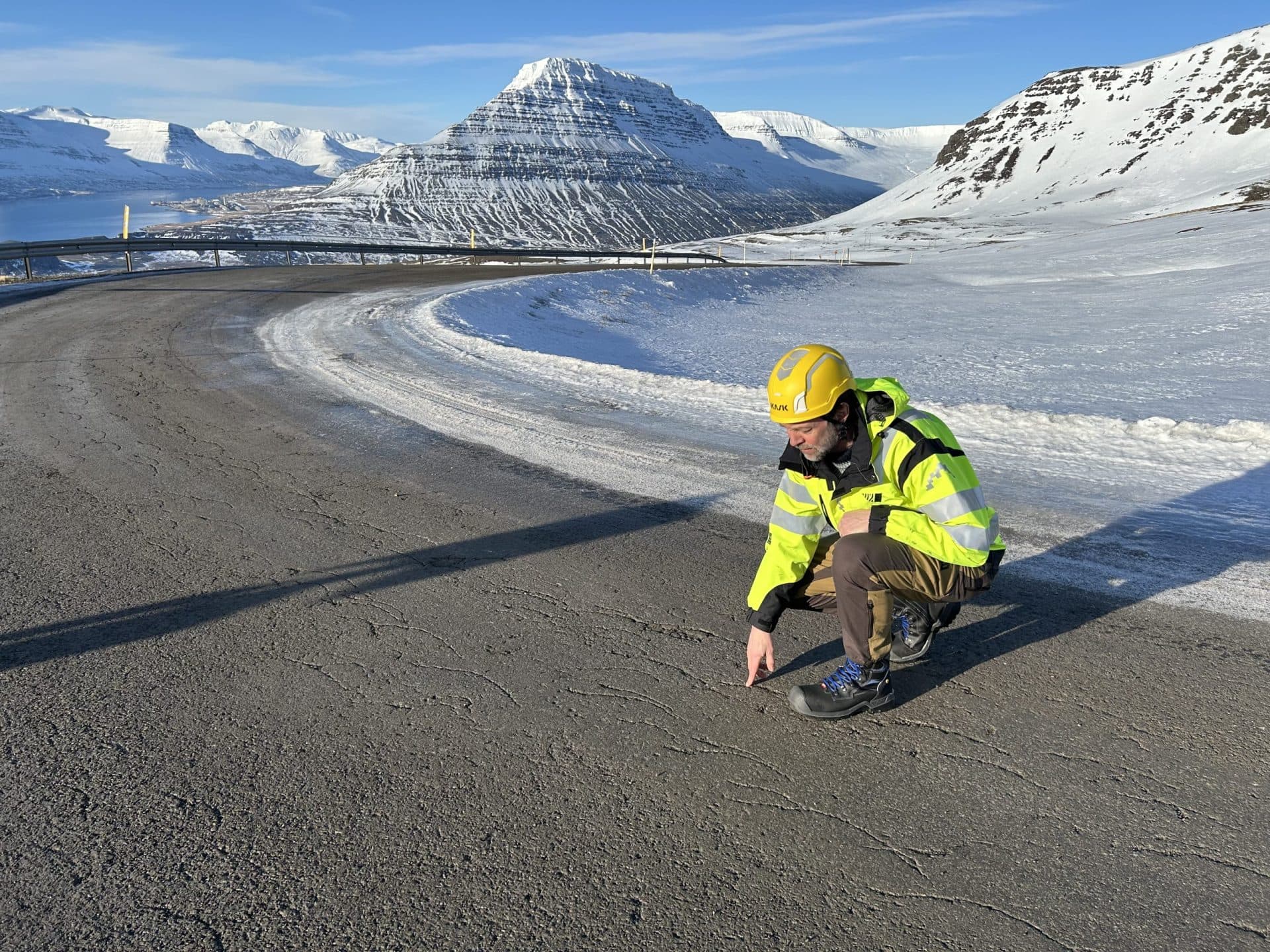
„Vegagerðin fær líka mikla endurgjöf frá almenningi. Fólk hefur mjög sterkar skoðanir á vegakerfinu, bæði því sem við gerum og því sem við gerum ekki, en það fylgir bara starfinu,“ segir Loftur.
Five Regions and 18 Local Offices
The Icelandic Road and Coastal Administration consists of its headquarters in Garðabær and five regions: the South Region, Capital Region, West Region, North Region and East Region. Each region is responsible for construction, maintenance and operation of the road network, as well as providing services to road users within the region. The regional offices are located in Selfoss, Garðabær, Borgarnes, Akureyri and Reyðarfjörður, with a total of 18 local offices around the country.
One of the first things Loftur had to familiarise himself with was how the organisation operates.
“Each region has three departments with distinct responsibilities, although construction work is largely carried out by contractors, as nearly all projects are put out to tender. We occasionally undertake smaller projects ourselves. The regions comprise an Engineering Department, a Contract Management Department and a Service Department, in addition to service depots and workshops.
“The Engineering Department oversees the design and preparation of road construction projects. The Contract Management Department manages and administers contracts. It is also responsible for larger projects, including new construction and maintenance work, which mainly involves road strengthening, improvements and surface dressing. The department also contributes to project specifications and tendering in collaboration with the Engineering Department.
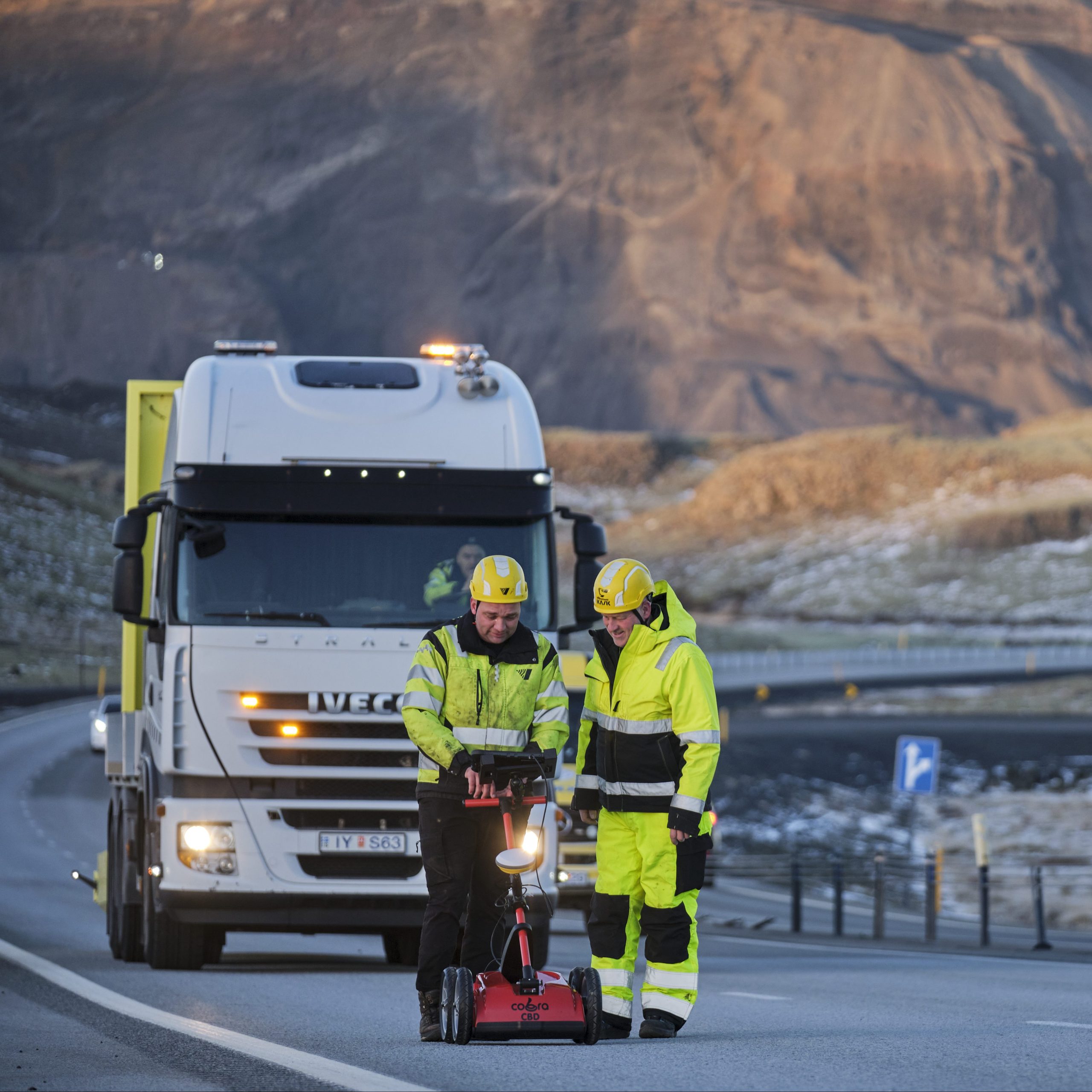
“The Service Department is responsible for the day-to-day inspection and servicing of the road network. During winter, its main task is managing winter service contracts, including snow clearance and measures to prevent icy road conditions. In summer, general road maintenance takes centre stage, particularly pothole repairs and other routine maintenance.
“Some tasks must be carried out throughout the year, with the maintenance and replacement of roadside delineator posts among the most significant. The Service Department also manages smaller construction projects, for example when small culverts need to be replaced or when action is required following water damage. Contractors are called in to carry out this work.
“The Icelandic Road and Coastal Administration owns a range of vehicles, machinery and equipment, including machinery for clearing trees and other vegetation alongside roads, as well as equipment used for winter services. The workshop is largely responsible for servicing and maintaining this equipment to ensure that operations run smoothly,” Loftur explains.
Nearly 30 people work for the Icelandic Road and Coastal Administration in the East Region.
“As larger projects are put out to tender, many more people contribute to the work than just the organisation’s own employees, including contractors, consultants and others. What surprised me most was how lean the organisation actually is,” he adds.
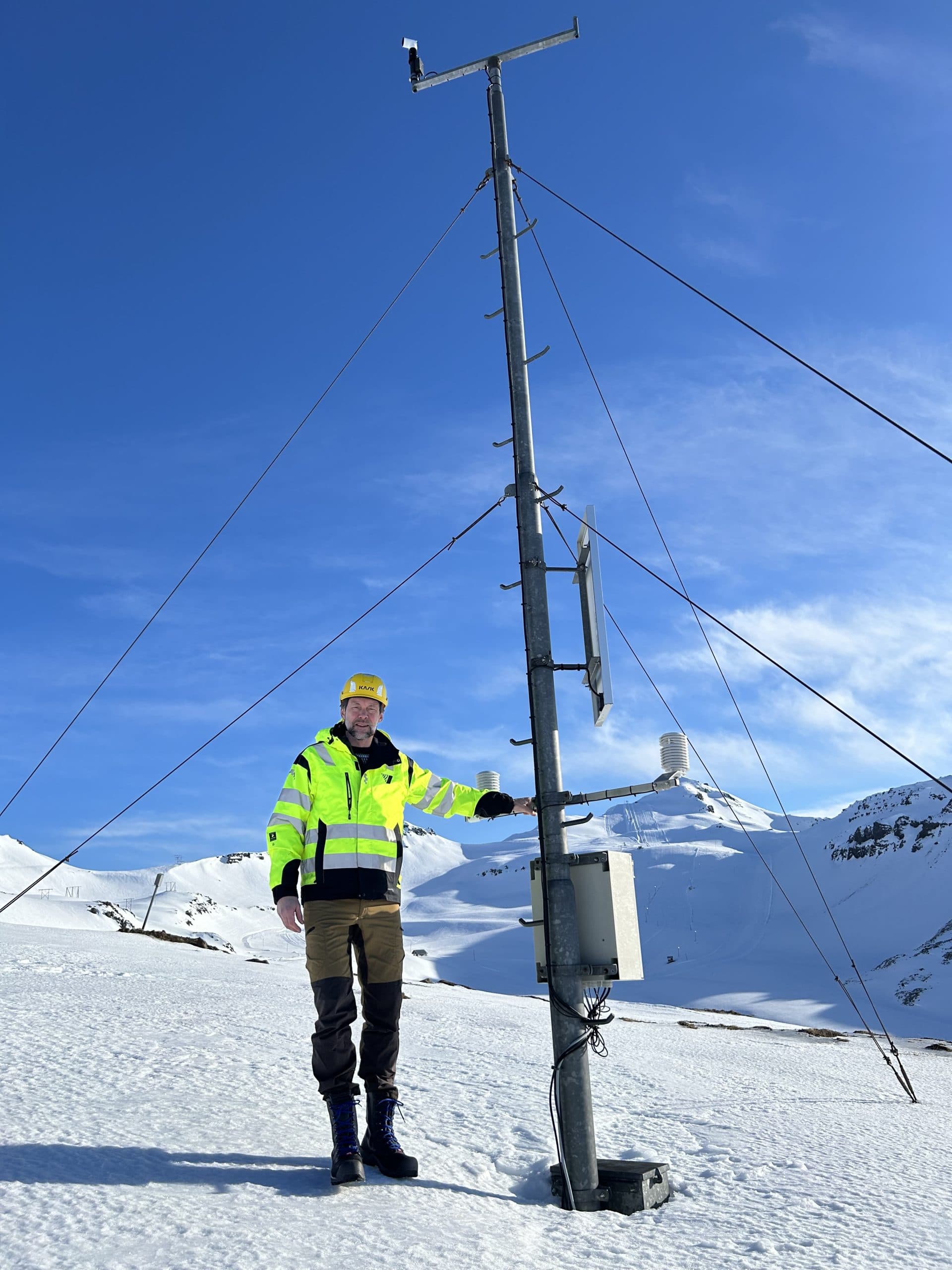
Starfsins vegna er Loftur oft með marga bolta á lofti í einu.
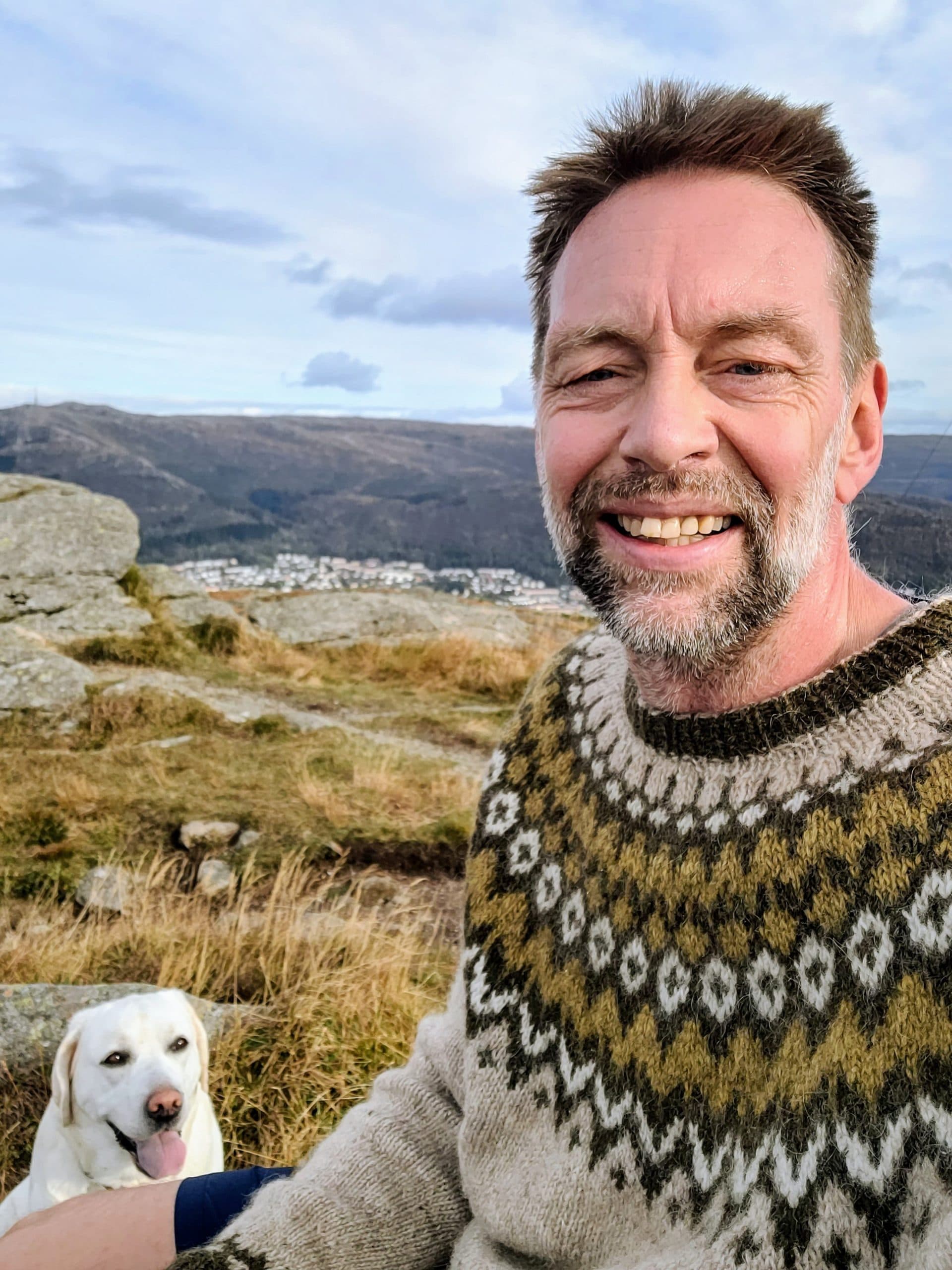
Loftur bjó um árabil í Noregi en fannst ekki mikið stökk að flytja aftur heim.
Juggling Many Responsibilities
Asked what a typical working day looks like, Loftur says that no two days are quite the same.
“I’m usually juggling several tasks at once. A large part of my job involves maintaining an overview of ongoing projects, assigning tasks and following up on them. This requires regular communication with colleagues, contractors and other partners. Urgent matters also arise regularly and need to be resolved immediately, so the days are rarely the same,” he says.
When asked which projects are currently in the pipeline, Loftur mentions a new road to Stuðlagil canyon, which has become an extremely popular destination.
“It is an exciting project that has been included in the Icelandic Transport Plan. We will continue road construction further up Jökuldalur in response to the enormous increase in visitor numbers in the area. The existing route was originally an old track that gradually developed into a road and has served local farmers reasonably well. Traffic patterns have now changed, however, and during the summer more than 1,000 vehicles travel along the road each day, including coaches and private vehicles carrying independent travellers.
“The road is not capable of accommodating this level of traffic. When something like this happens, we need to respond to the increased traffic and improve the road so that it meets the necessary safety and accessibility standards,” Loftur explains.
The Icelandic Road and Coastal Administration places great emphasis on road safety, and a strong safety culture guides all its activities. Loftur says that he has become more conscious of road safety since joining the organisation.
“I also feel a greater sense of responsibility in that regard and have started to read the roads differently than I did before. I now immediately notice if a bend is dangerous or if roadside delineator posts, safety barriers or fencing are missing, to name just a few examples.”
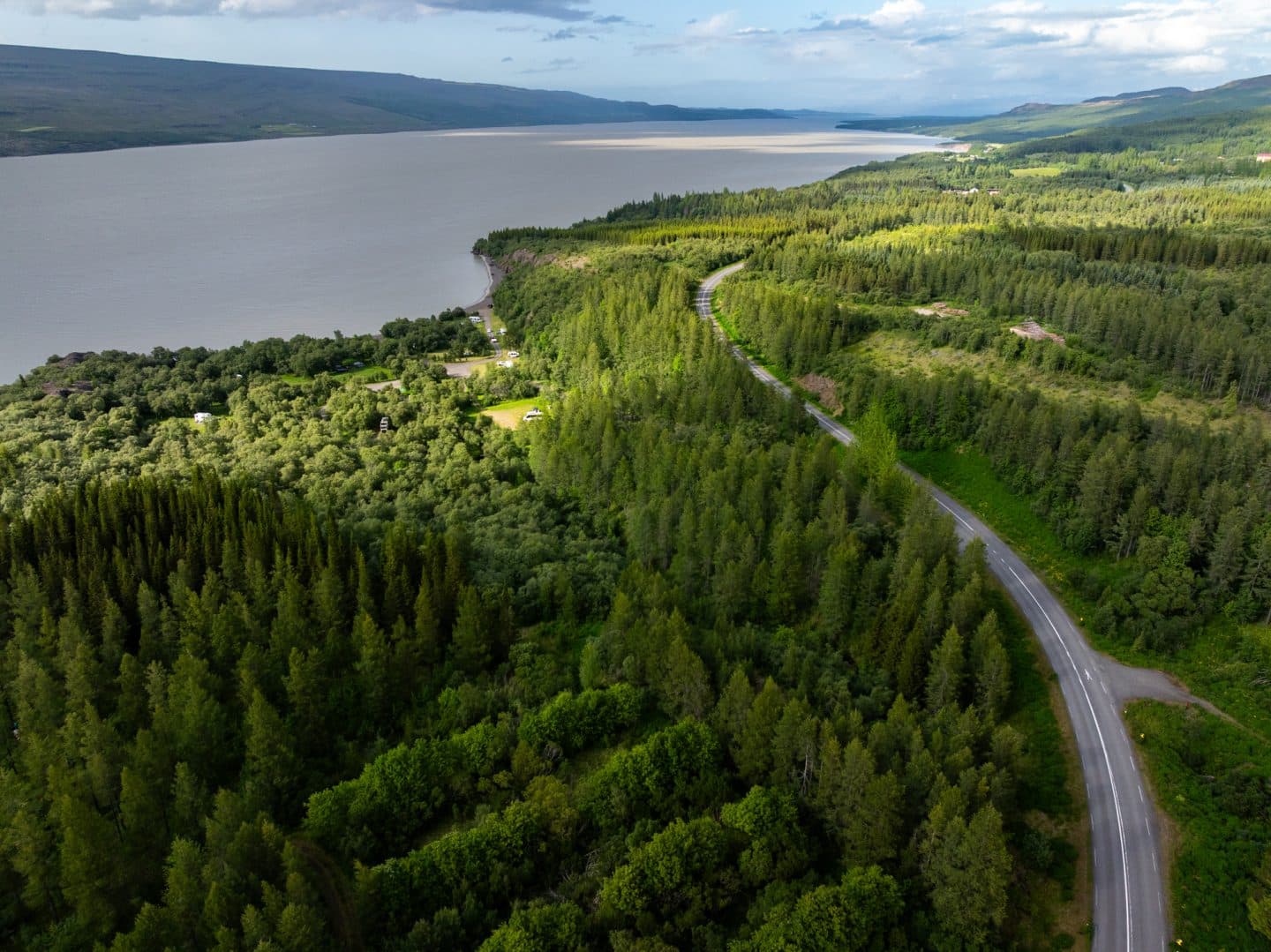
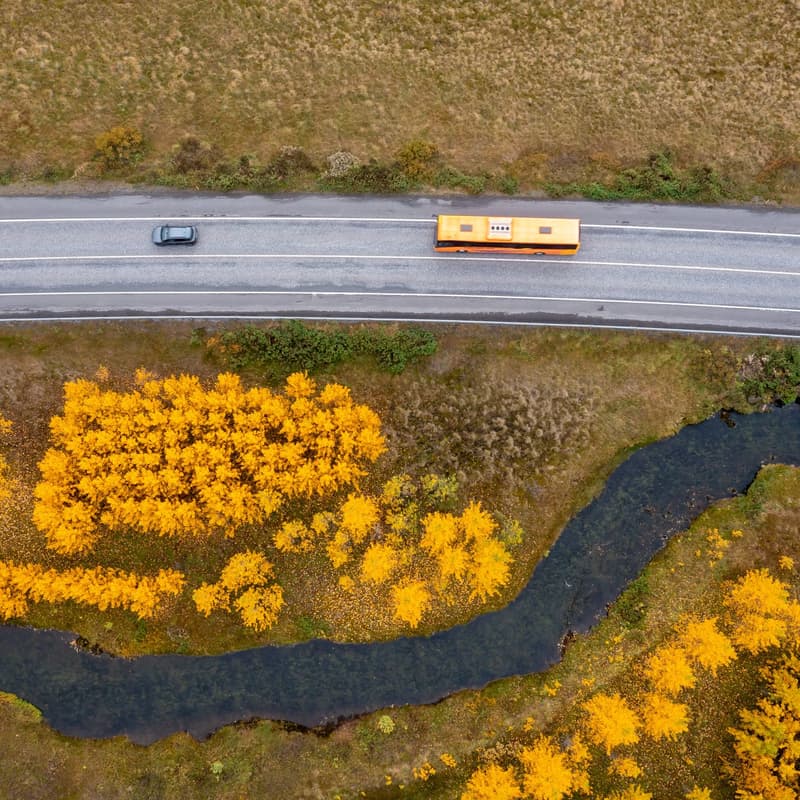
F931 Upphéraðsvegur. Hallormstaður
But what does he enjoy most about the job?
“There are so many things. One of the most rewarding aspects is seeing the tangible impact our work has on the community. The objectives are also very clear. A road, for example, is either open or closed, perhaps because it is impassable or there is a risk of avalanches.
“When a new road is built and opened to traffic, people feel the benefits immediately, as the road network has a direct impact on their daily lives. If the roads do not function, neither does society. Roads truly are the lifeline of our communities.
“The Icelandic Road and Coastal Administration also receives a great deal of feedback from the public. People have very strong opinions about the road network, both about what we do and what we do not do, but that simply comes with the job. Some people feel that the priorities do not work in their favour, but when things go well, the organisation also receives a great deal of praise.
“When you work on something that matters so much to society, you feel that your work has a real purpose—and that is incredibly rewarding,” Loftur concludes.