
20 nóvember 2026Bridge construction in Gufudalssveit
Construction of two concrete bridges on Vestfjarðavegur in Gufudalssveit has been under way since late last year. Work has largely progressed according to schedule, although unexpected ground conditions have required changes to the design and construction methods.
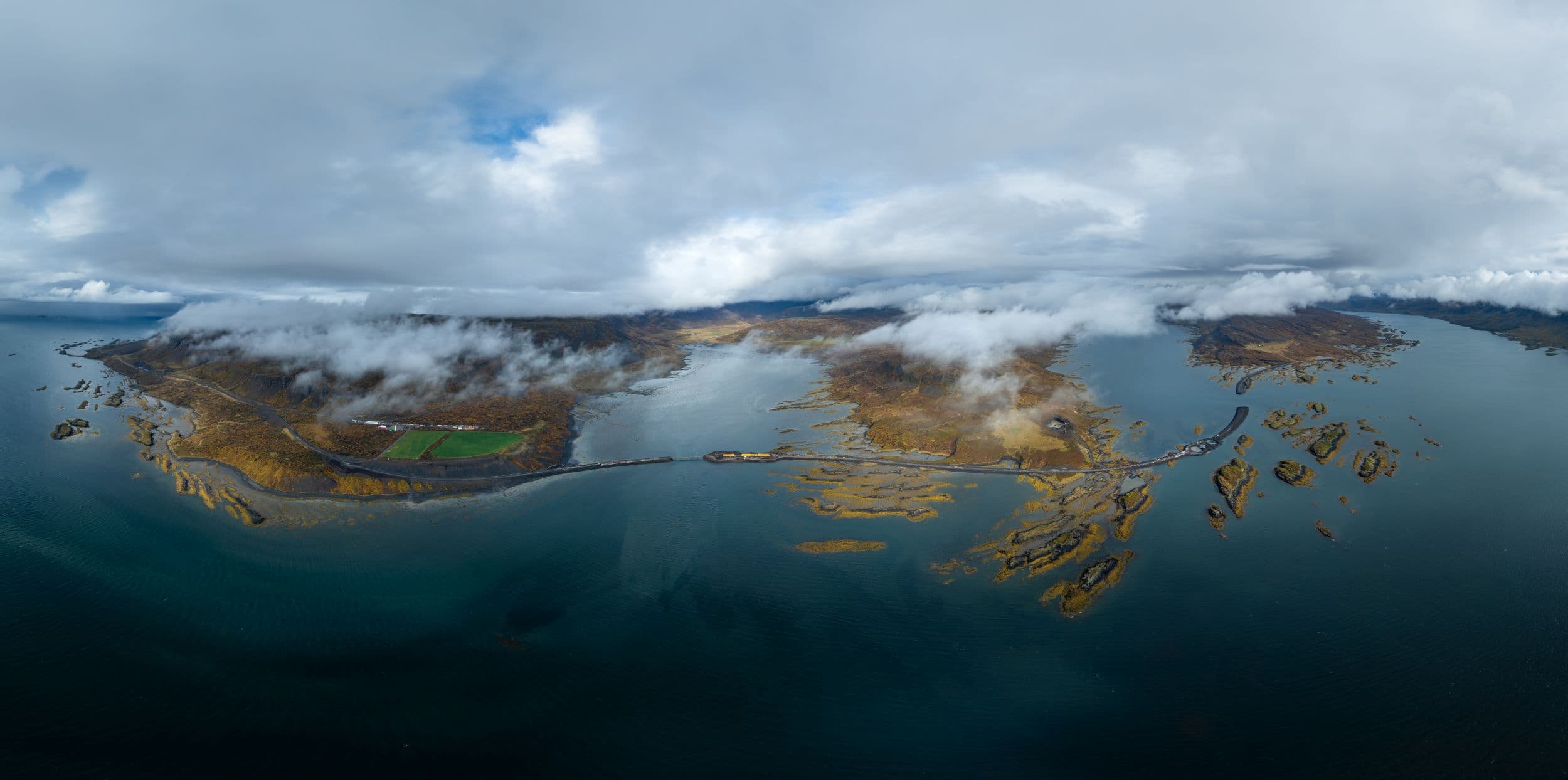
Þverun fjarða í Gufudalssveit.
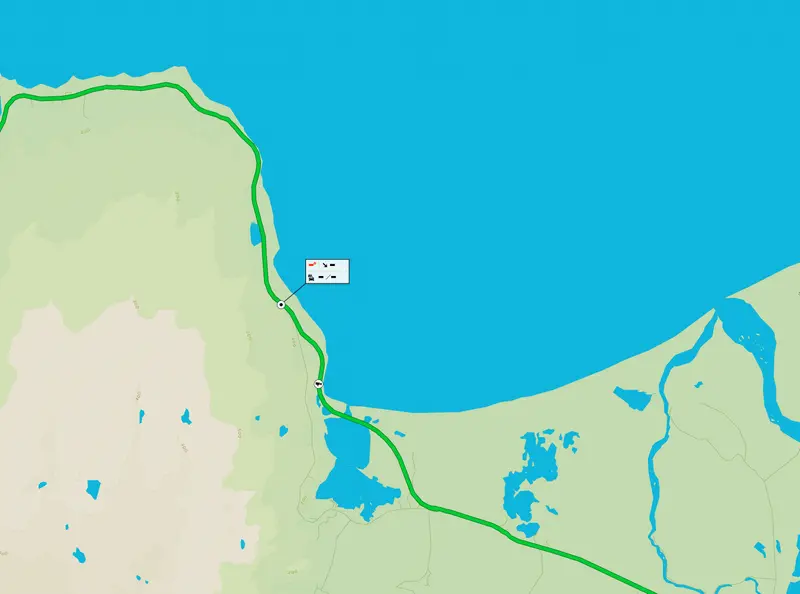
The two bridges comprise a 58-metre bridge across Djúpafjörður at Grónes and an approximately 130-metre bridge across Gufufjörður. The works form part of the extensive development of Vestfjarðavegur through Gufudalssveit, aimed at shortening travel distances, improving road safety and providing better transport links across the southern Westfjords.
Norwegian contractor Leonhard Nilsen & Sønner AS (LNS) is carrying out the works under a contract signed with the Icelandic Road and Coastal Administration in October 2025. The contract is worth approximately ISK 1.85 billion.
Construction of the Gufufjörður bridge well advanced
Work began in late November and early December 2025 with excavation for the foundations of the Gufufjörður bridge. Site facilities and a concrete batching plant were subsequently established.
Work on the bridge foundations progressed well during the spring. By the end of May, both intermediate piers had been cast, and work continued on the eastern abutment in June.
In July, work continued on the western abutment, while production began on concrete beams to support the bridge deck. Work also began on the superstructure formwork and its supporting foundations. By the end of the month, backfilling around the abutment was complete, along with the working platforms for the falsework supporting the superstructure.
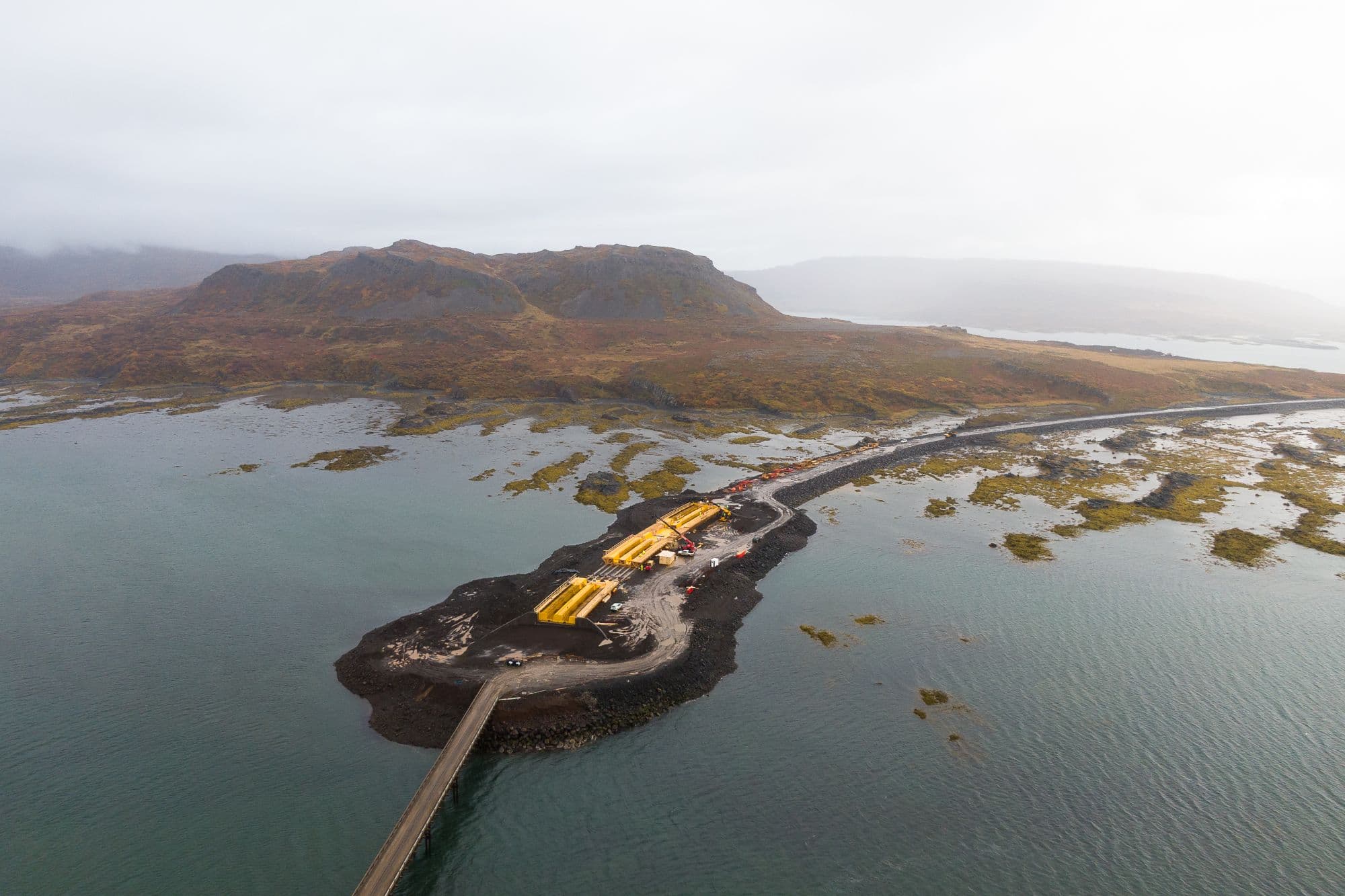
Þverun fjarða í Gufudalssveit.
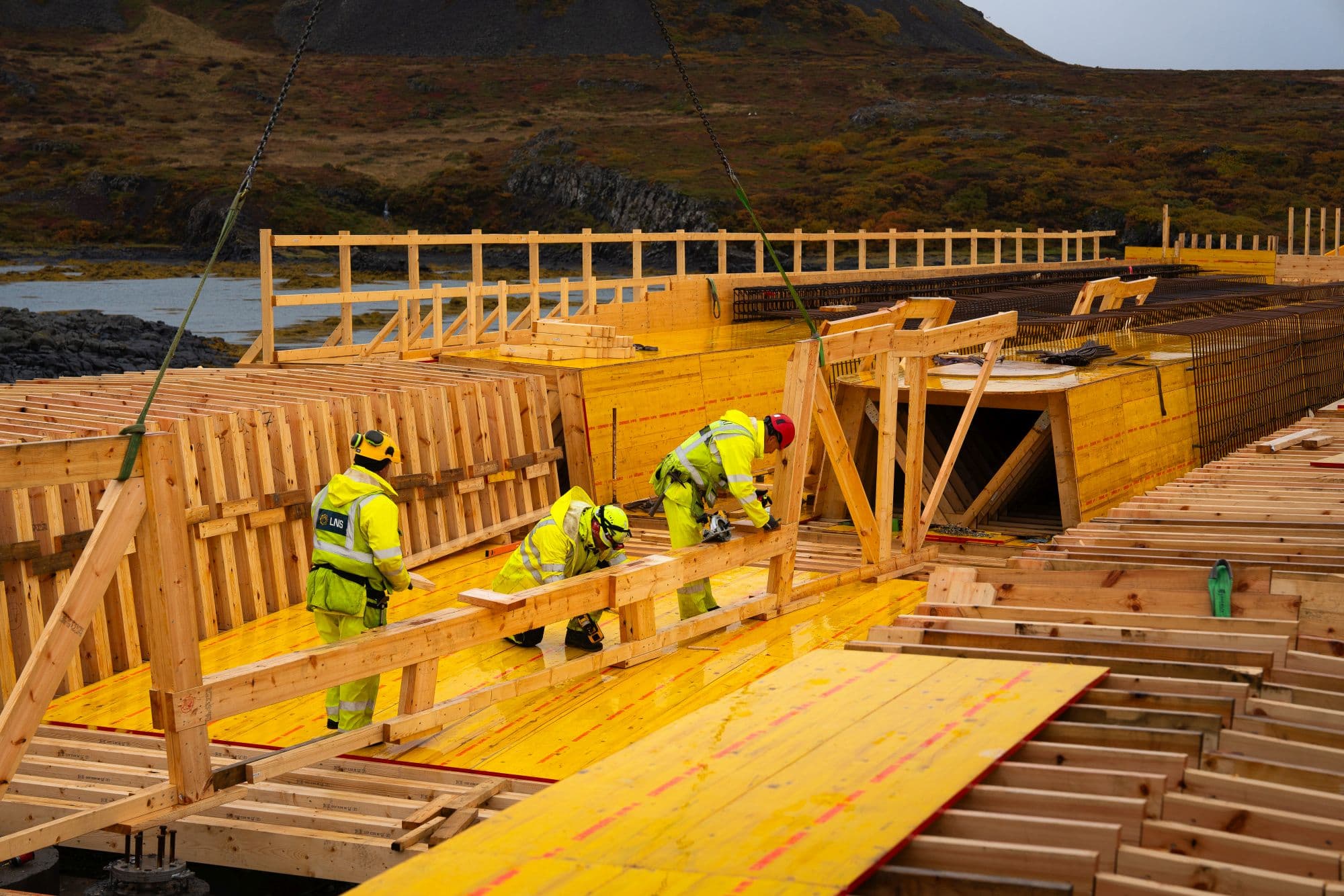
Frá þverun fjarða í Gufudalssveit.
Unexpected ground conditions require design changes
Ground conditions encountered during construction have proved more challenging than anticipated when the bridges were designed.
At Djúpafjörður, bedrock was found to be considerably deeper than expected. The original plan was to excavate down to bedrock and cast the bridge foundations directly onto it. However, when bedrock was found at a depth of approximately eight metres, the design was revised.
Instead of excavating down to bedrock, steel piles were installed by drilling. These will be reinforced and filled with concrete. A specialist contractor was brought in to carry out the work and completed the pile drilling on 3 July.
Similar challenges arose during excavation for the western abutment of the Gufufjörður bridge. Bedrock was also deeper than anticipated in part of this area, requiring more concrete than originally estimated. Additional foundations had to be cast beneath the abutment, with a total of 186 cubic metres of concrete used in preparing the foundations.
Weather conditions have also affected construction. In late March, a severe storm struck the area, and waves washed over the temporary working embankment at Gufufjörður, causing erosion. The contractor repaired the damage, but the storm caused some delays.
A substantial workforce
A sizeable workforce has been involved in the project, with around 26 to 37 people typically working on site. Reinforcement cages have also been prefabricated in Reykjavík.
The contractor has established workers’ accommodation, a carpentry workshop and a mechanical workshop on site. During the summer, work was also carried out to install a second, higher-capacity concrete batching plant to meet the demands of construction.
default
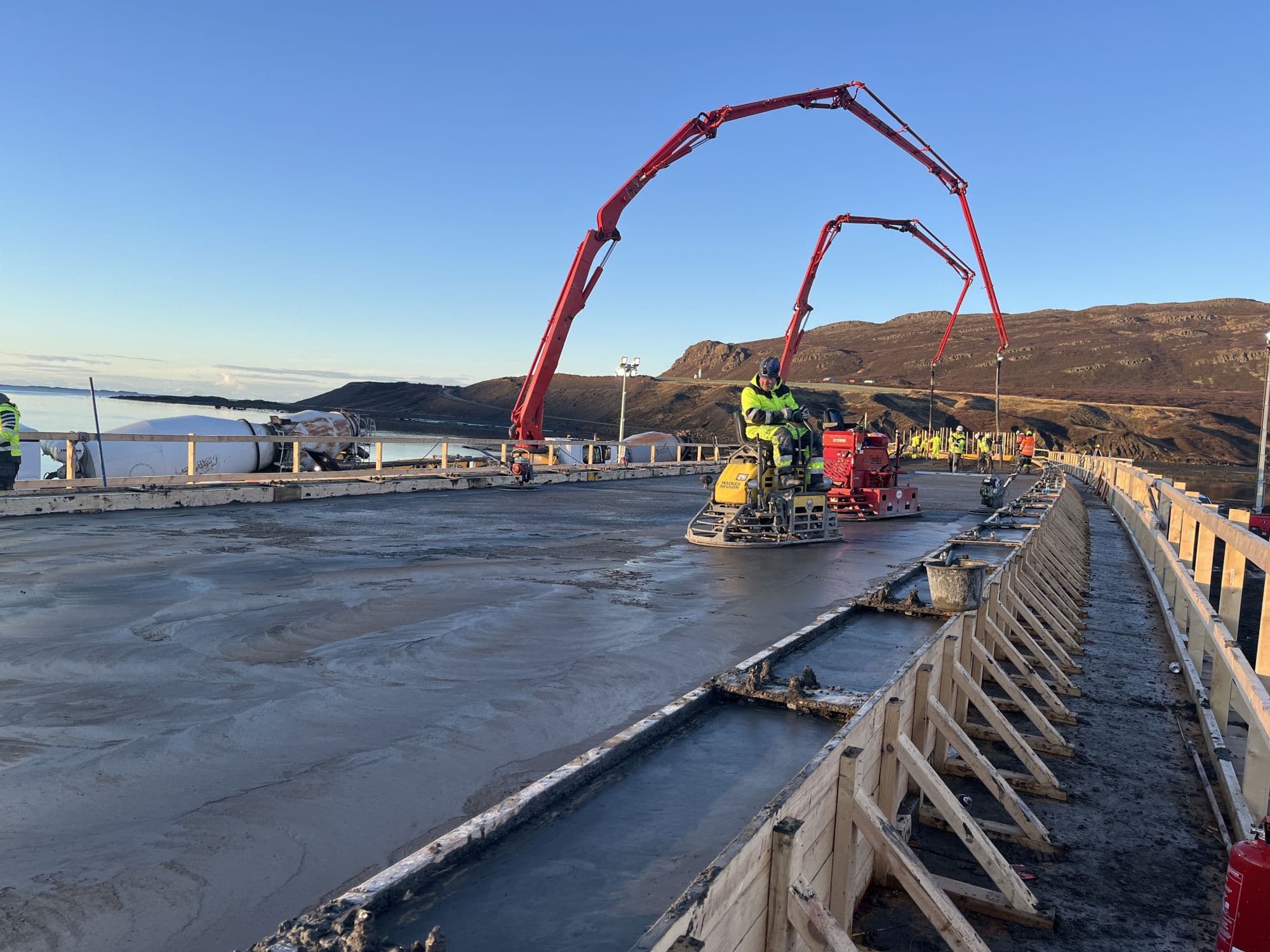
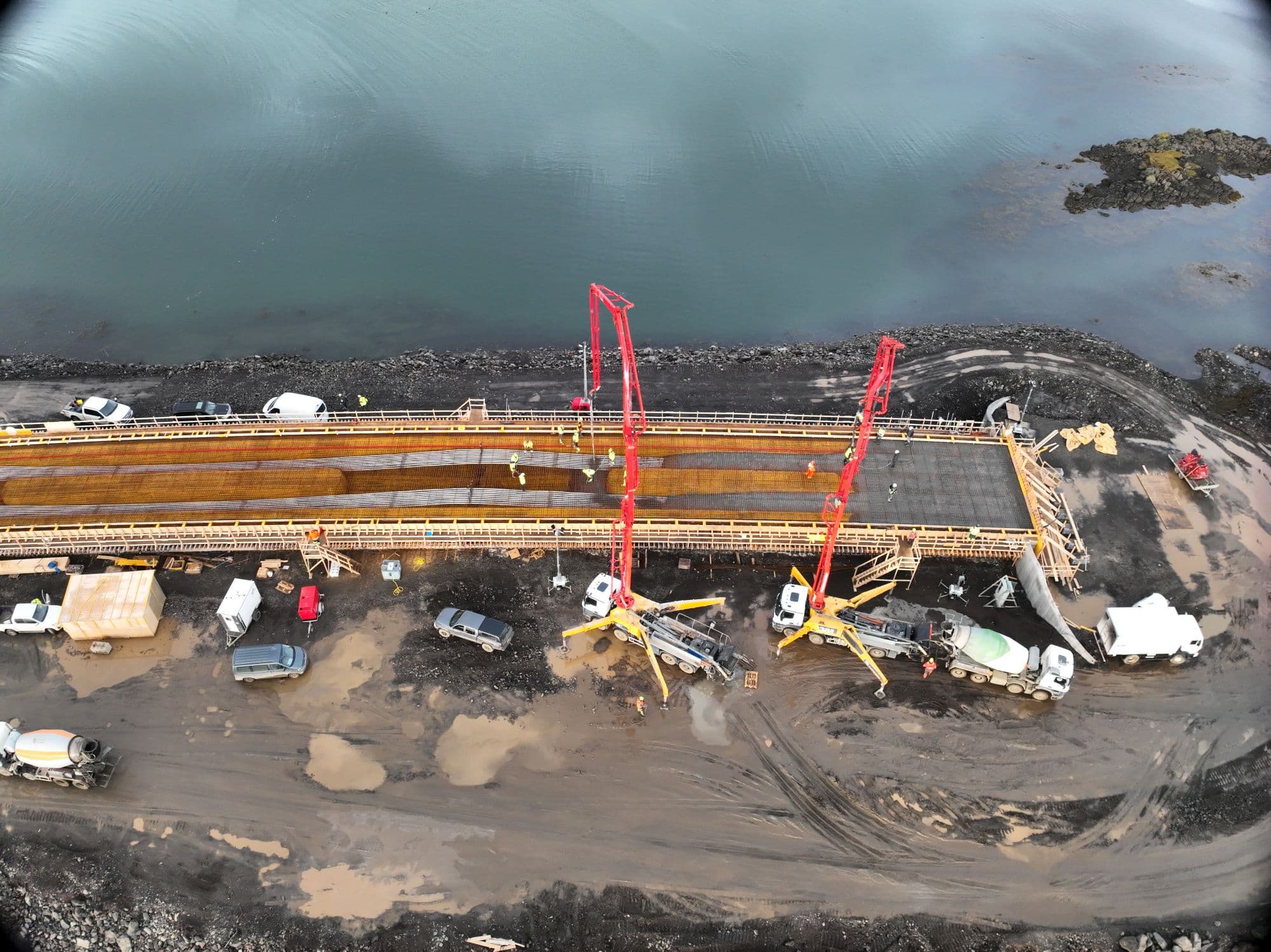
Myndir frá steypuframkvæmdum á brúnni yfir Gufufjörð í október 2026. Myndir: Verkís
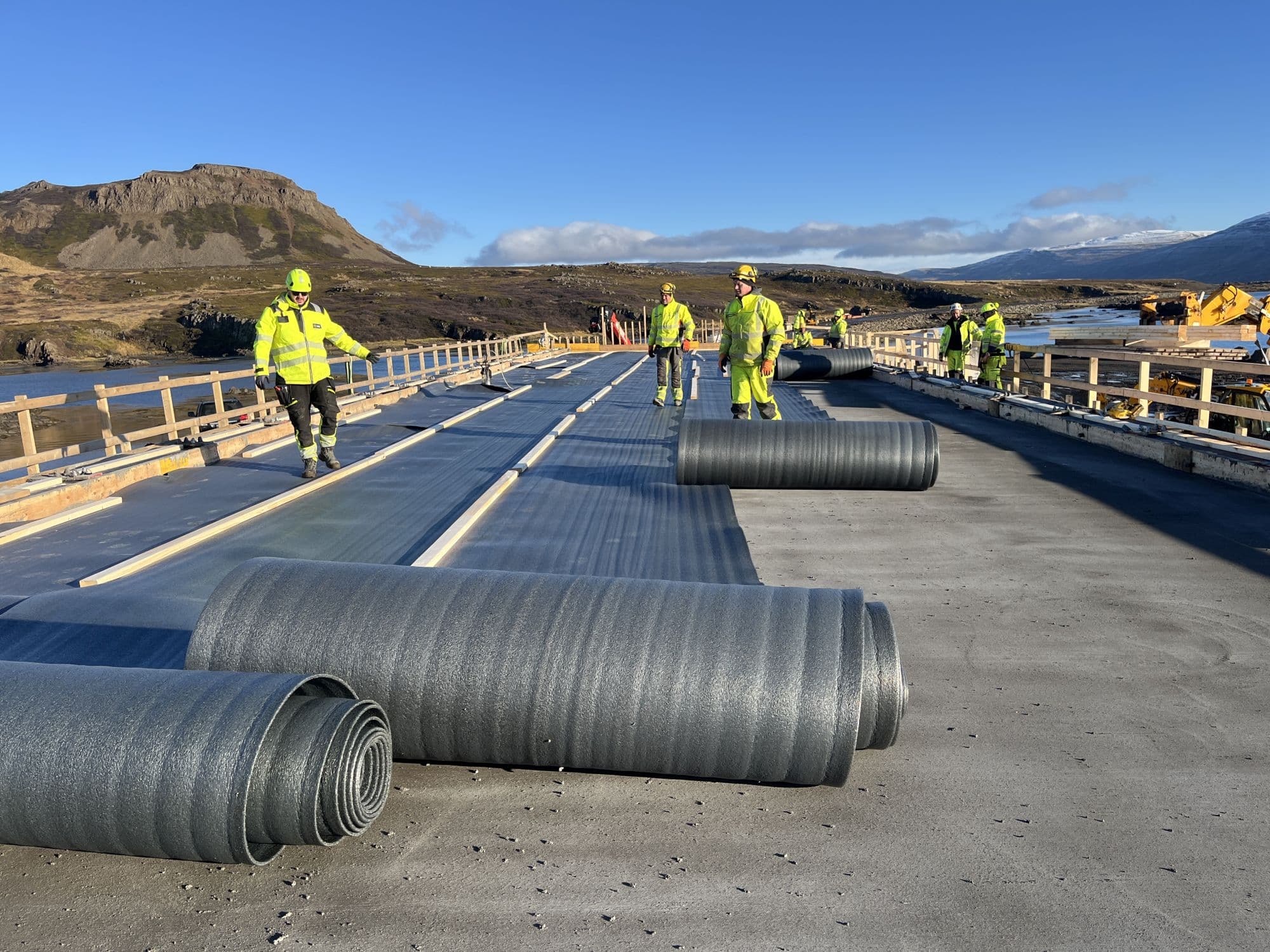
Myndir frá steypuframkvæmdum á brúnni yfir Gufufjörð í október 2026. Myndir: Verkís
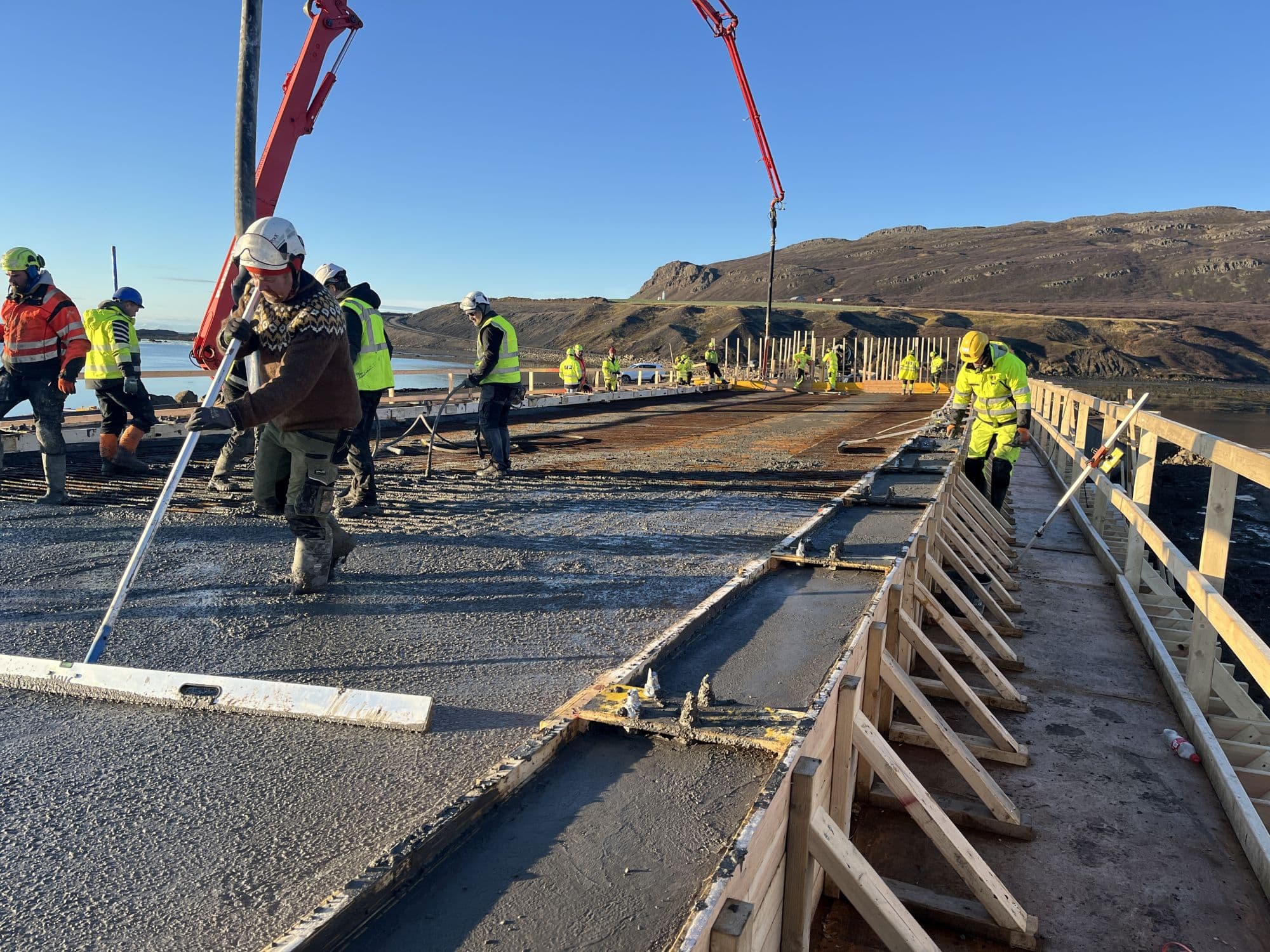
Myndir frá steypuframkvæmdum á brúnni yfir Gufufjörð í október 2026. Myndir: Verkís
Competitive dialogue for the Djúpafjörður bridge
Construction of the two bridges is the penultimate phase of the Vestfjarðavegur project through Gufudalssveit.
Earlier phases have included construction of a bridge across Þorskafjörður, a road through Teigsskógur and new road embankments across Gufufjörður and Djúpafjörður.
The final phase involves building a 210-metre network arch bridge across Djúpafjörður and approximately 4.6 kilometres of road. The project was put out to tender in June, and two bids were received, both substantially above the estimated construction cost. The Icelandic Road and Coastal Administration has therefore rejected both bids and decided to enter into competitive dialogue with both bidders.
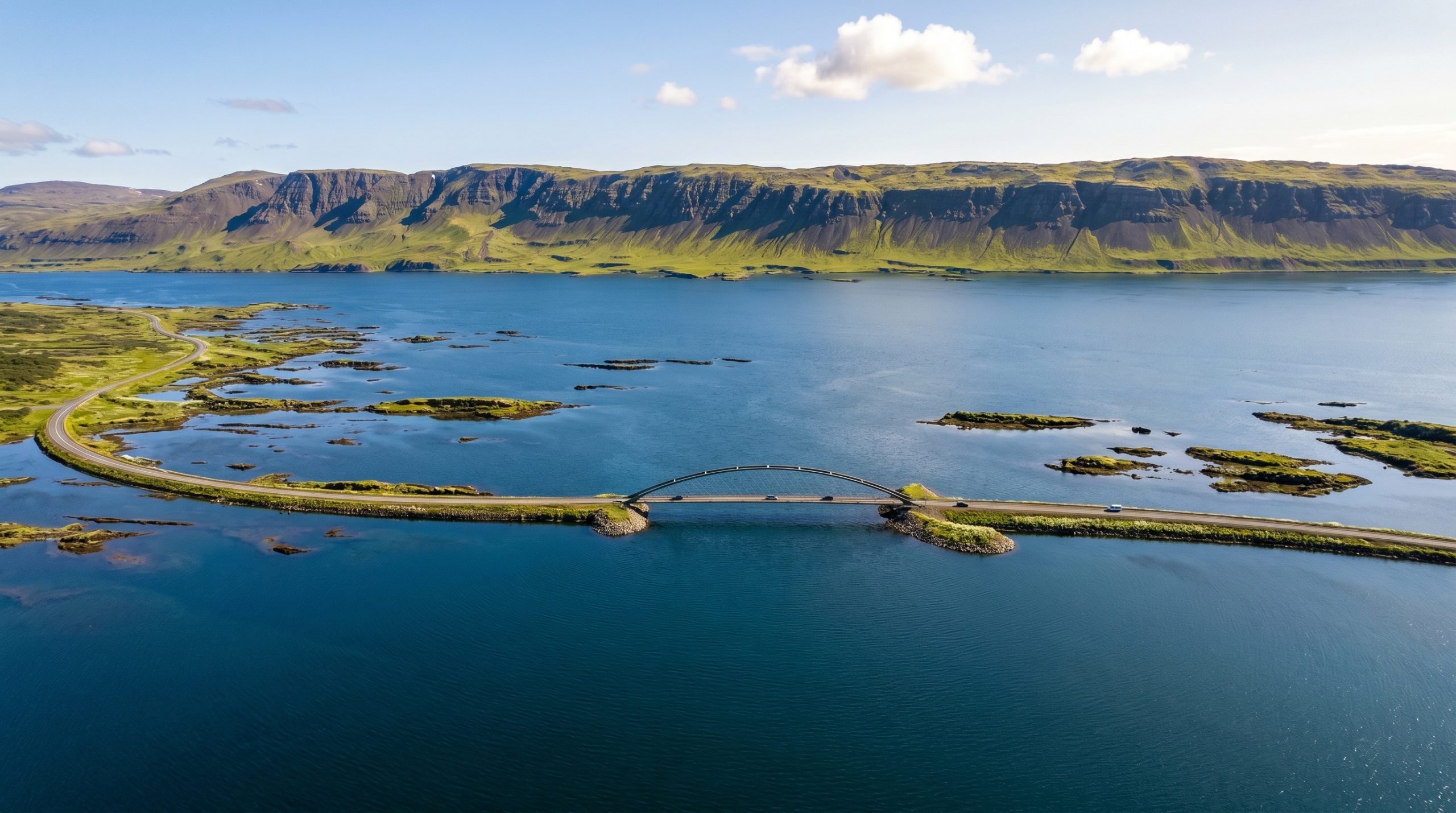
Computer generated image shows what the largest bridge over Djúpifjörður might look like once finished