
20 janúar 2026Rockfall barrier installed at Holtsnúpur
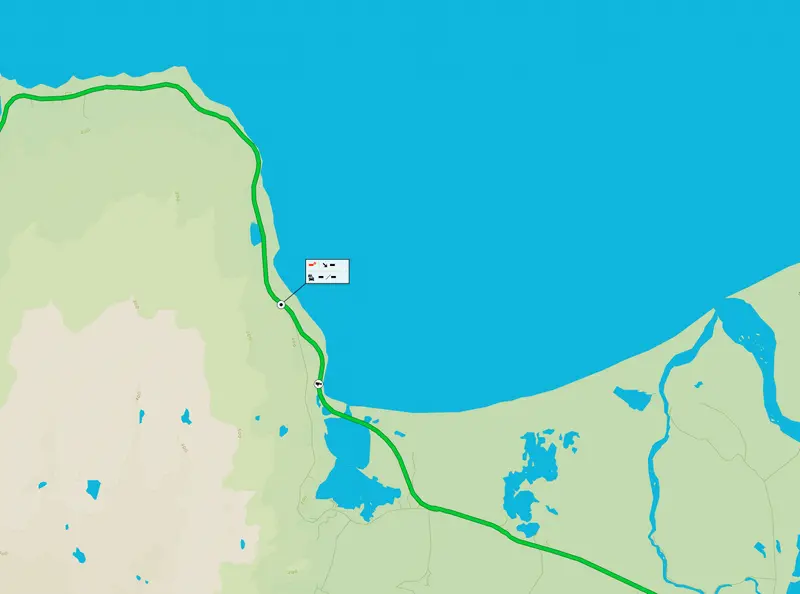
A 300-metre-long rockfall barrier at Holtsnúp beneath the Eyjafjöll mountains will be put out to tender in the coming weeks, with construction expected to begin this spring.
The Icelandic Road and Coastal Administration has been monitoring this location for some time and commissioned the design of the planned structure following a tragic fatal accident at the site in March 2025.
Relocating the road has also been considered as a long-term solution, but this option would be significantly more costly.
There are numerous known rockfall hazard sites along Iceland’s national road network, and protective structures have been installed at several of them, but there is a need for many more such measures.
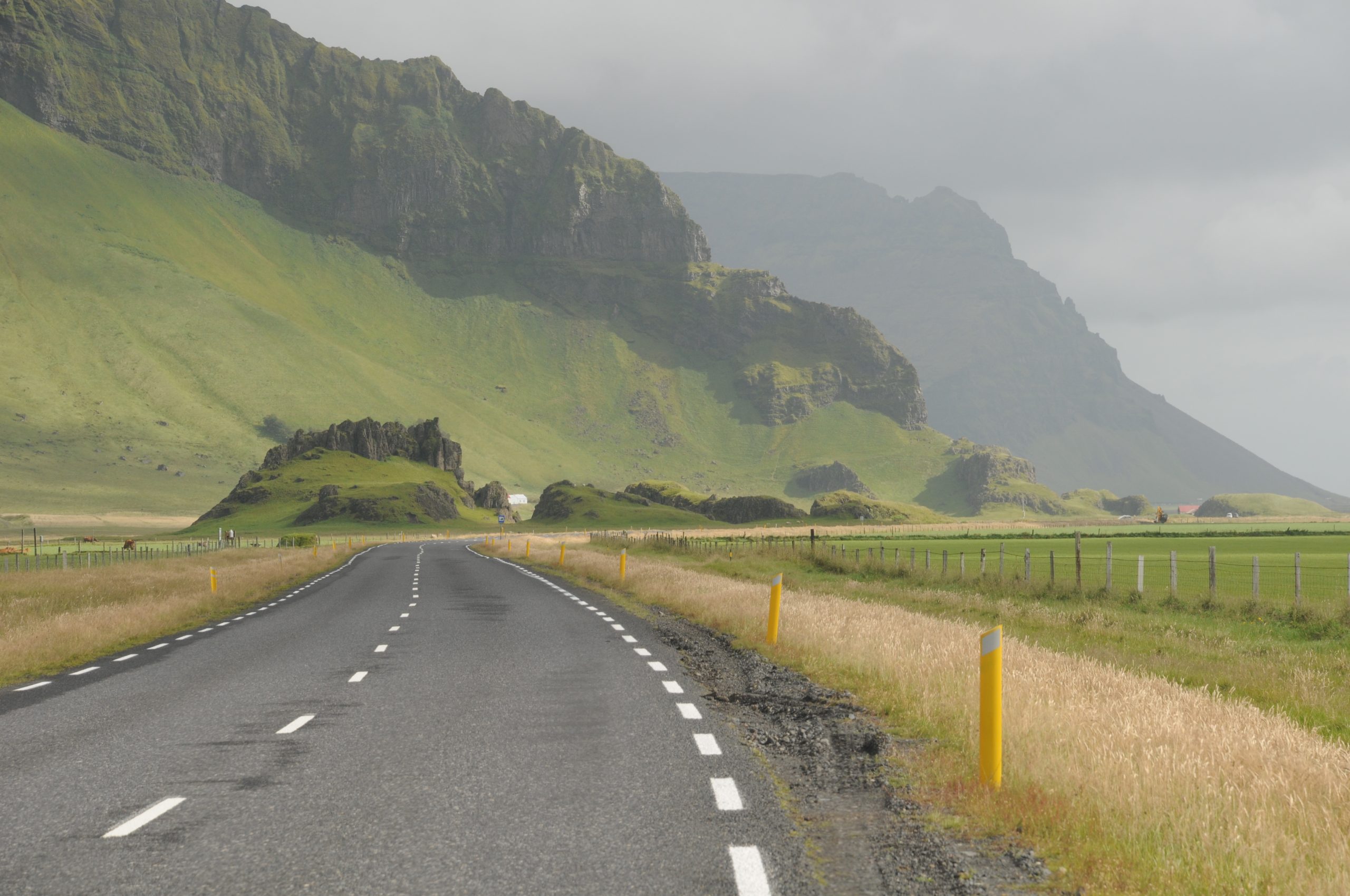
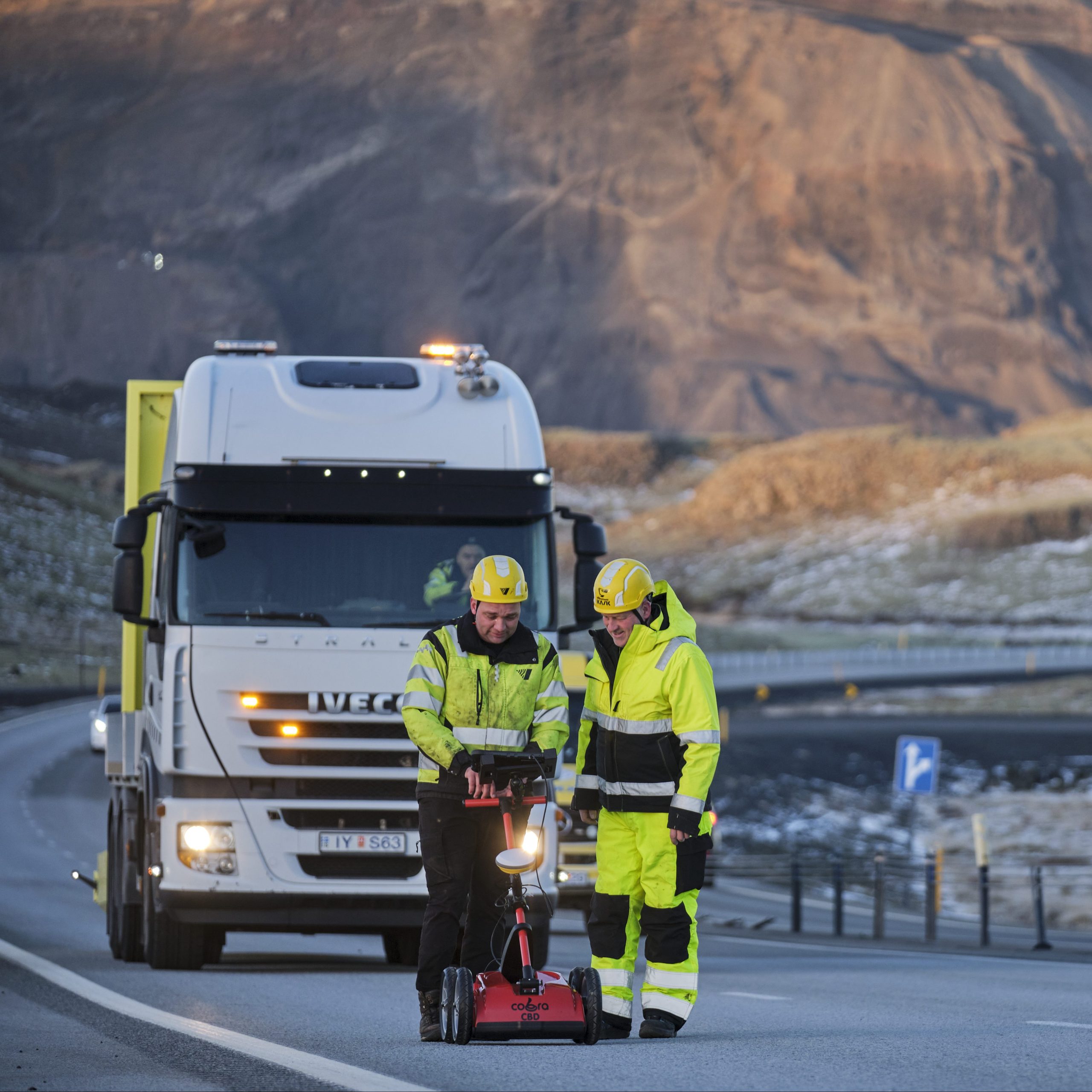
Hringvegur undir Eyjafjöllum. Í fjarska sést Holtsnúpur.
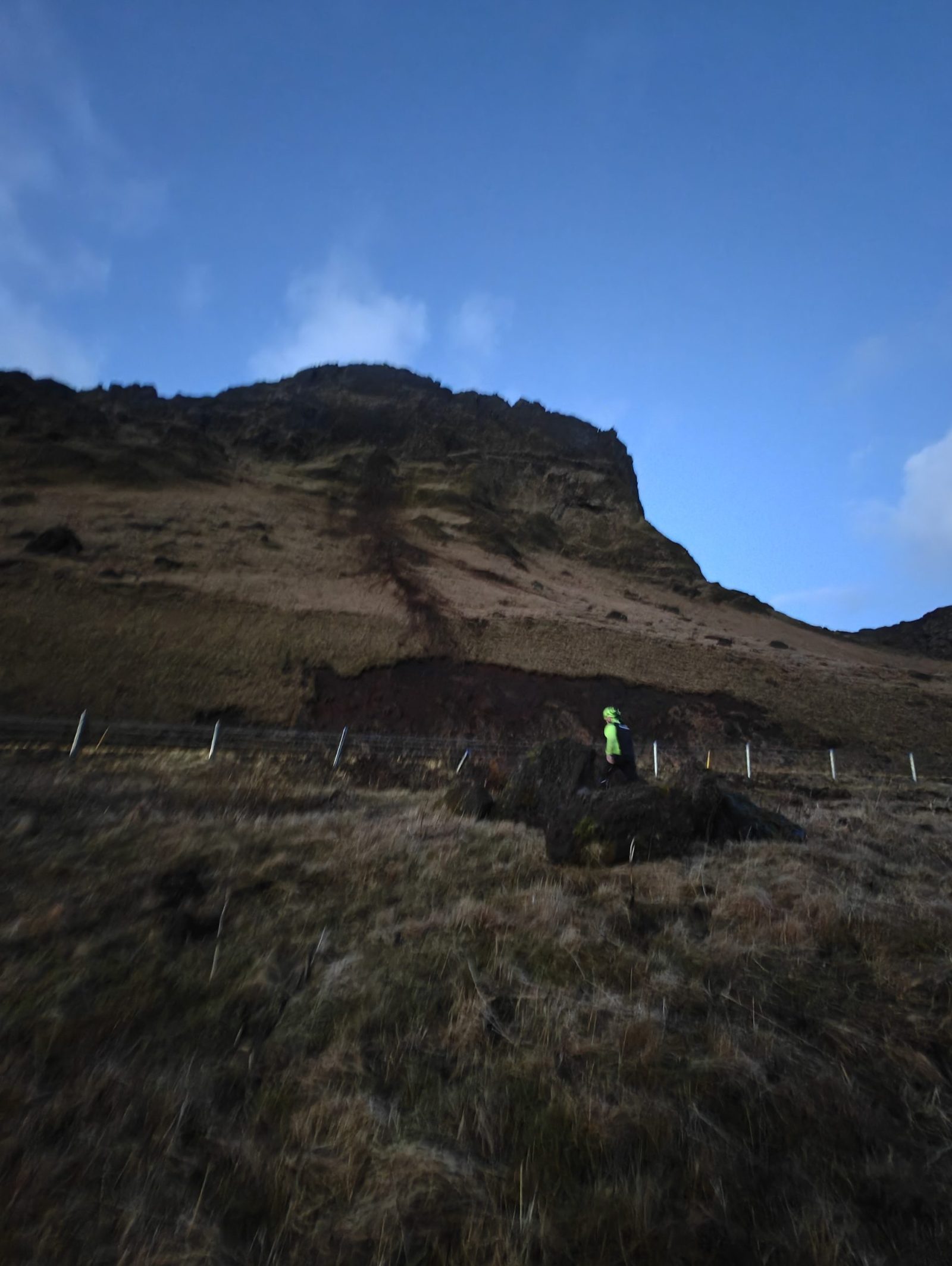
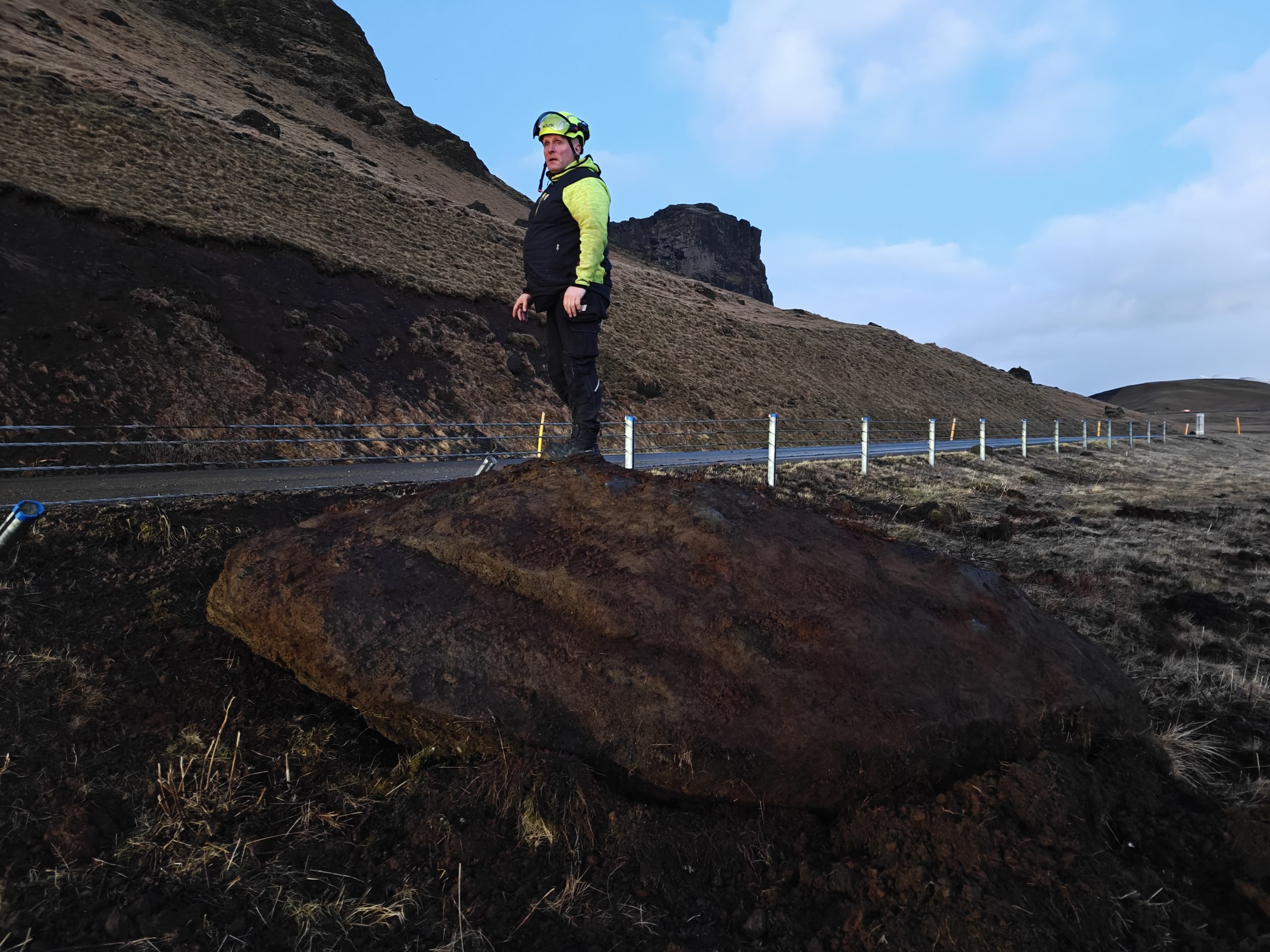
Holtsnúpur is a known rockfall hazard area, and since the fatal accident in March, rocks have fallen from the slope on two occasions, most recently in December, creating a dangerous situation when a driver struck the debris.
The Icelandic Road and Coastal Administration commissioned the design of a rockfall barrier at Holtsnúpur last year. The plan involves excavating a so-called “catchment trench” into the slope along a 300-metre stretch and constructing a two-metre-high gabion rock wall between the slope and the road. These consist of steel mesh cages filled with rock. The total cost of the project is estimated at around ISK 80 million.
There are 86 known rockfall hazard sites along Iceland’s road network, and protective barriers have been installed at five of the most critical locations. Nearly 100 incidents have been recorded over the past 25 years in which vehicles have struck fallen rocks. Of these, six resulted in minor injuries and the rest caused no injuries. Each year, between 30 and 60 cases of rocks on roads are recorded, and it is considered fortunate that more people have not been injured.
There are therefore numerous locations around the country where landslide and rockfall hazards pose a potential risk to road users. For example, a large boulder fell onto the Ring Road from Mount Reynisfjall last December, and it was fortunate that no one was injured. Incidents of this nature highlight the unpredictable character of such hazards and the importance of preventive measures.
Traffic volumes are particularly high at Holtsnúpur, with an average of around 2,700 vehicles per day. Given the combination of elevated traffic and known rockfall risk, it was considered essential to prioritise funding for protective measures at this location in order to reduce the likelihood of accidents and improve overall road safety.
There is a widespread need for targeted safety measures across the road network in areas exposed to natural hazards. The Icelandic Road and Coastal Administration maintains a comprehensive register of sites where such risks have been identified and regularly assesses and updates this information. Projects are prioritised based on a combination of risk level, traffic intensity and available funding, with the aim of ensuring that resources are directed to the locations where they have the greatest impact on safety.
?????????????
oplus_3276800
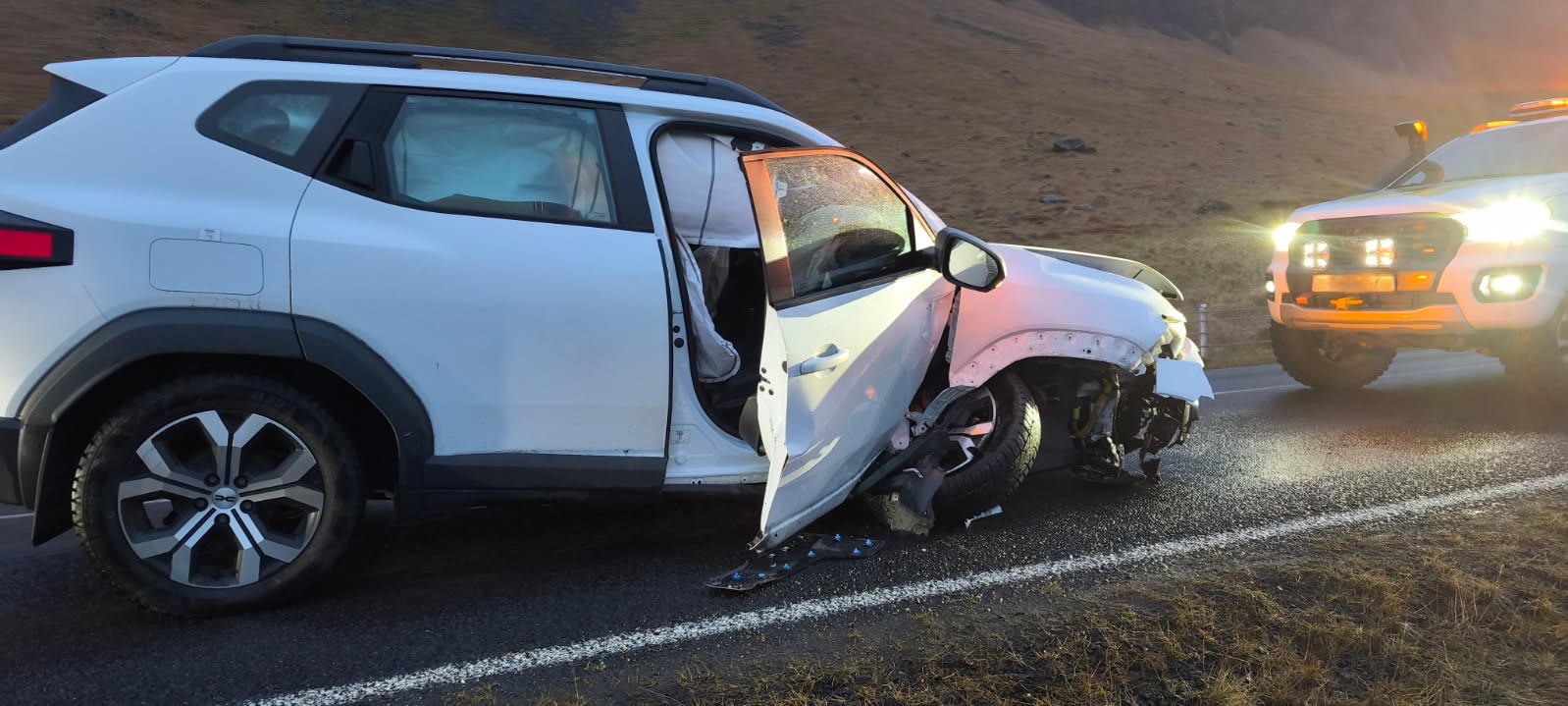
Betur fór en á horfðist þegar ökumaður ók á grjót sem féll úr Holtsnúpi í desember 2025.