
11 desember 2025Reykjanesbraut dual carriageway completed
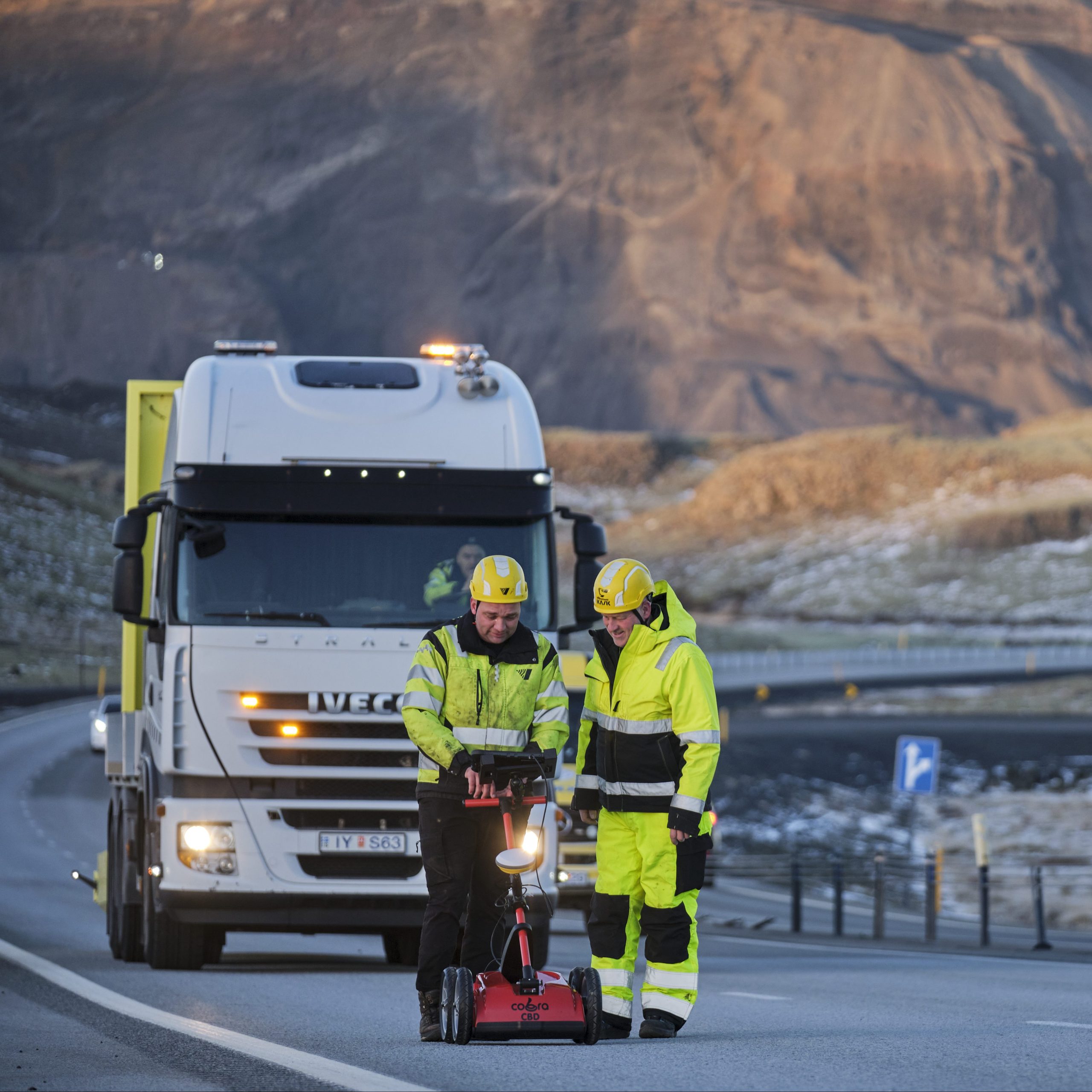
The Minister of Infrastructure and the Director of the Icelandic Road and Coastal Administration formally opened the newly completed dual carriageway on Reykjanesbraut between Krýsuvíkurvegur and Hvassahraun today, Thursday 11 December. This was the only remaining section of Reykjanesbraut—from Ásbraut in Hafnarfjörður to Reykjanesbær—that had yet to be widened.
Iceland-Wales
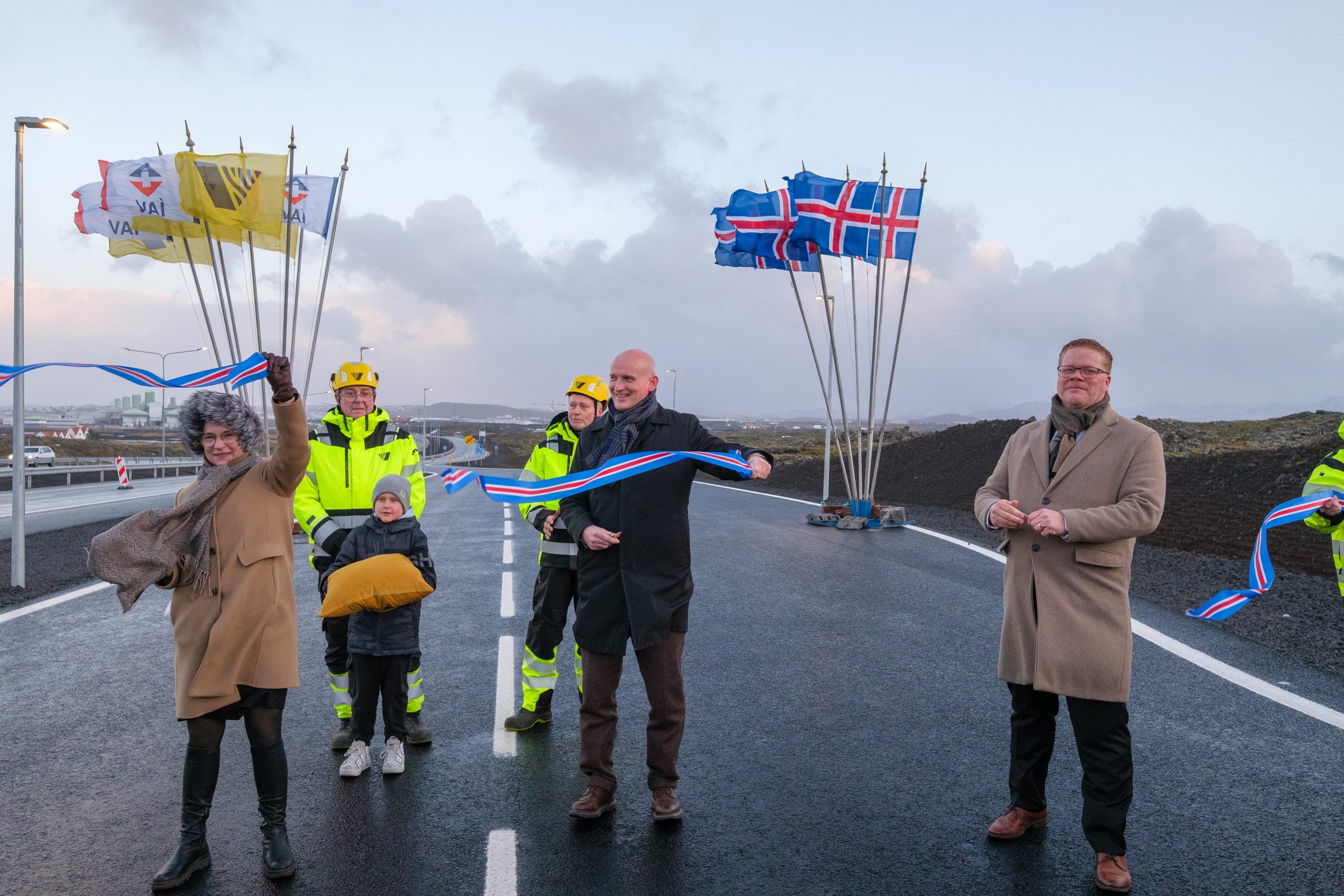
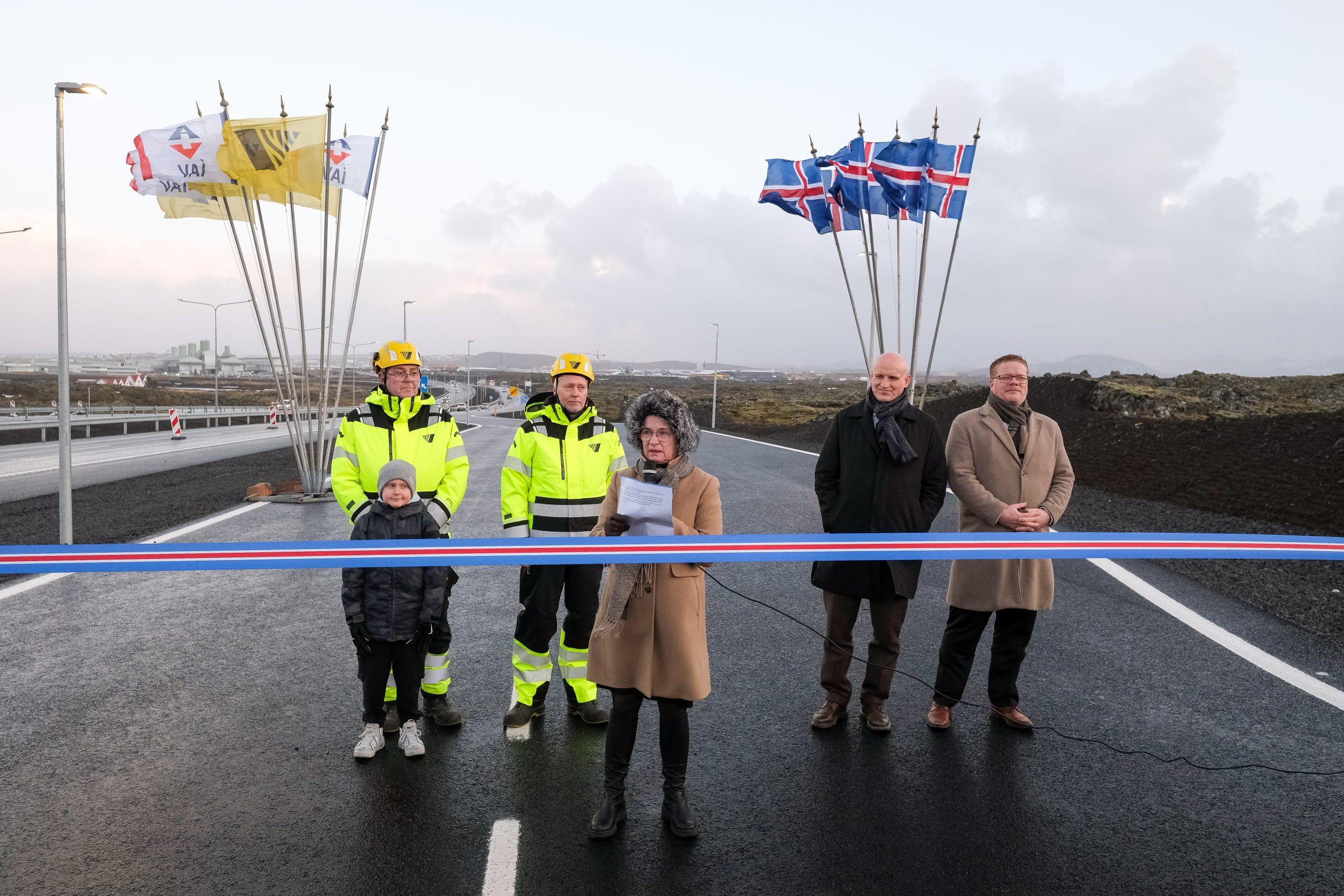
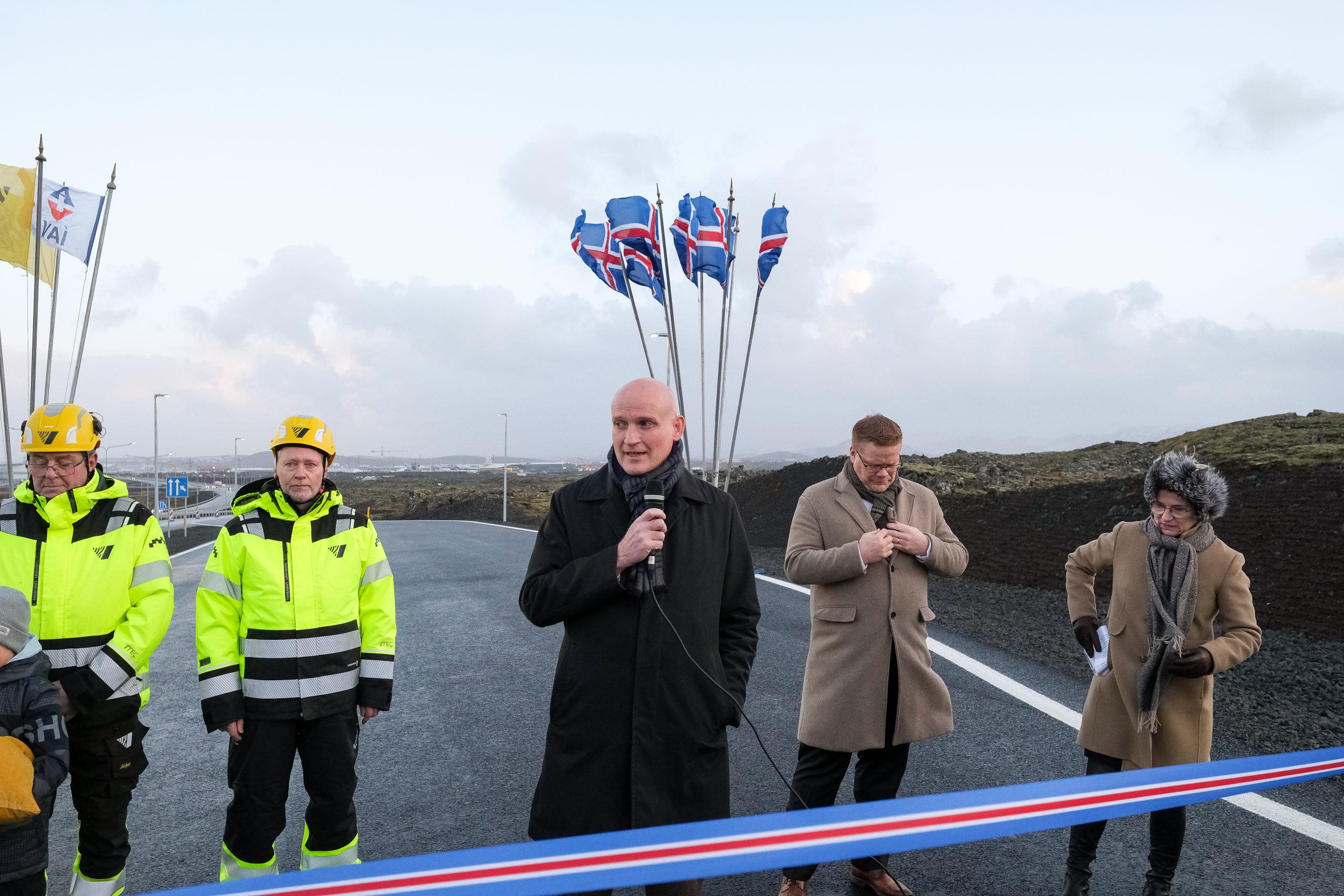
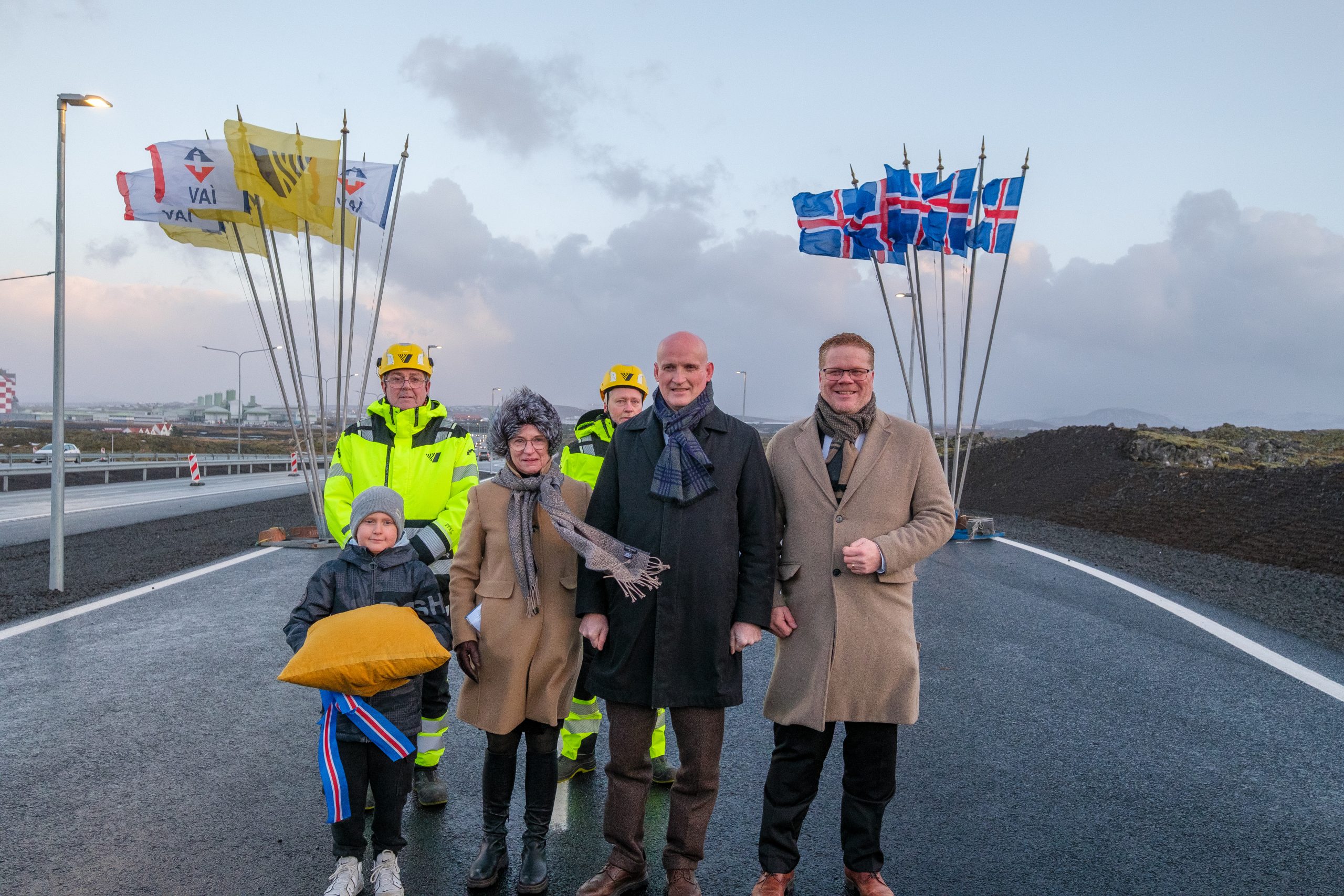
Around 80 people attended to watch Eyjólfur Ármannsson, Minister of Infrastructure, Bergþóra Þorkelsdóttir, Director-General of the Icelandic Road and Coastal Administration, and Valdimar Víðisson, Mayor of Hafnarfjörður, cut the ribbon to formally mark the opening of the new road section. The milestone was greatly welcomed, as it represents the final phase of the widening project that began in 2003.
Traffic on Reykjanesbraut has steadily increased over the past decades, making it essential to separate driving directions along the route to improve road safety. Average daily traffic on the road in 2024 was 21,500 vehicles per day.
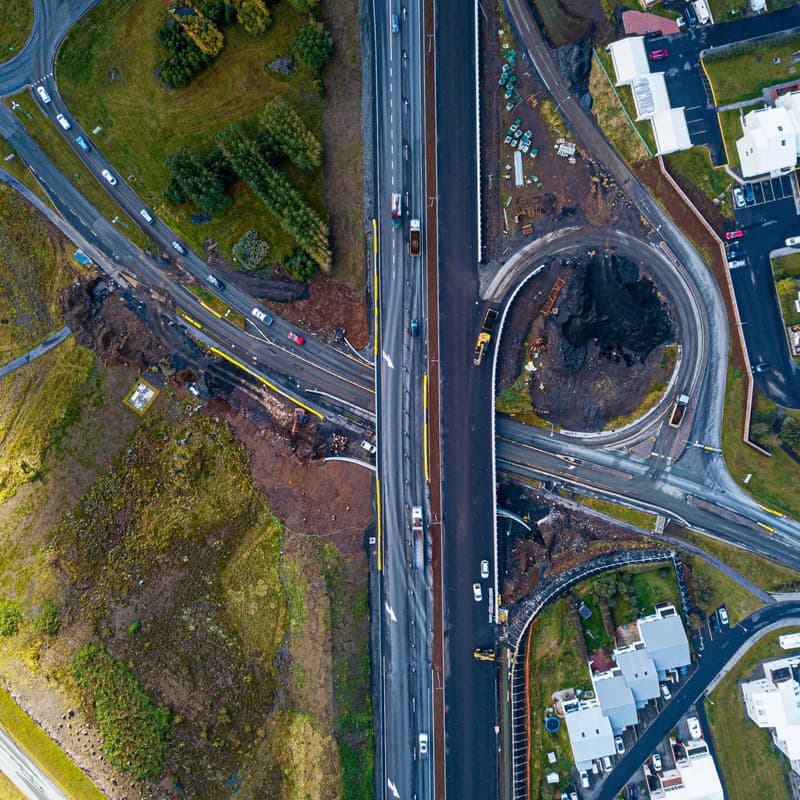
The project Reykjanesbraut (41) – Krýsuvíkurvegur to Hvassahraun involved widening a 5.6 km stretch of Reykjanesbraut from Krýsuvíkurvegur to the end of the existing four-lane road at Hraun, west of Straumsvík.
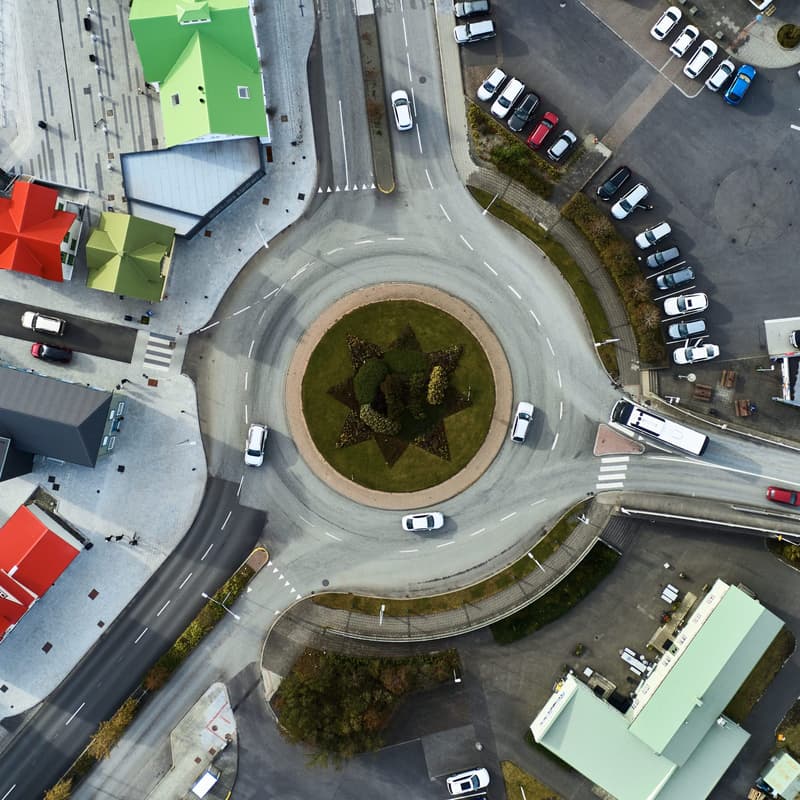
The road was expanded into a dual carriageway (2+2 lanes), the grade-separated junction at the Straumsvík smelter was redesigned, and new connections were built to Straumur and Álhella. Grade-separated junctions were also constructed at Rauðamel, along with new road links to Straumsvík Harbour and the pumping and treatment station east of Straumsvík, including underpasses. In addition, a pedestrian and cycling underpass was built just east of the smelter, as well as control points for traffic monitoring on both sides of Reykjanesbraut, east of Straumsvík.
Tenders for the project were opened in April 2023, and a contract was signed with Íslenskir aðalverktakar hf. in May 2023.
Iceland-Wales
Iceland-Wales
The project included the following road works:
- Widening Reykjanesbraut into a dual carriageway
- Construction of traffic monitoring stations along Reykjanesbraut
- Acceleration lanes, deceleration lanes, ramps and roundabouts
- New road connections from Reykjanesbraut to Hraunavík and Straumur
- Álhella junction works
- Road connections from Álhella to Gerði, Kapella and the dovecotes
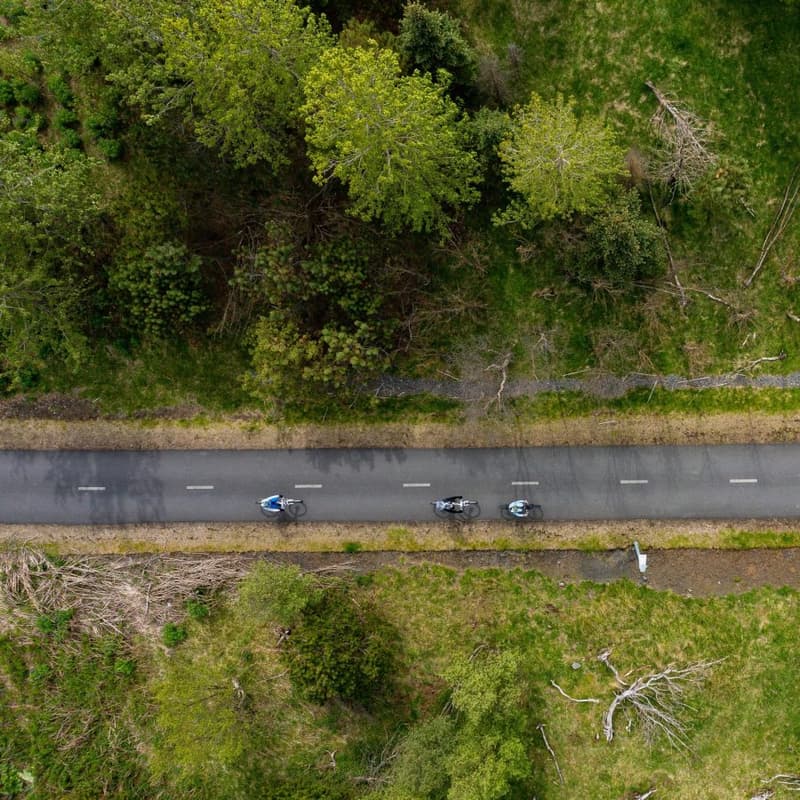
- Pedestrian and cycling paths
- Stormwater drainage systems, manholes, street lighting, guardrails, traffic signs, road markings, barriers and other related infrastructure
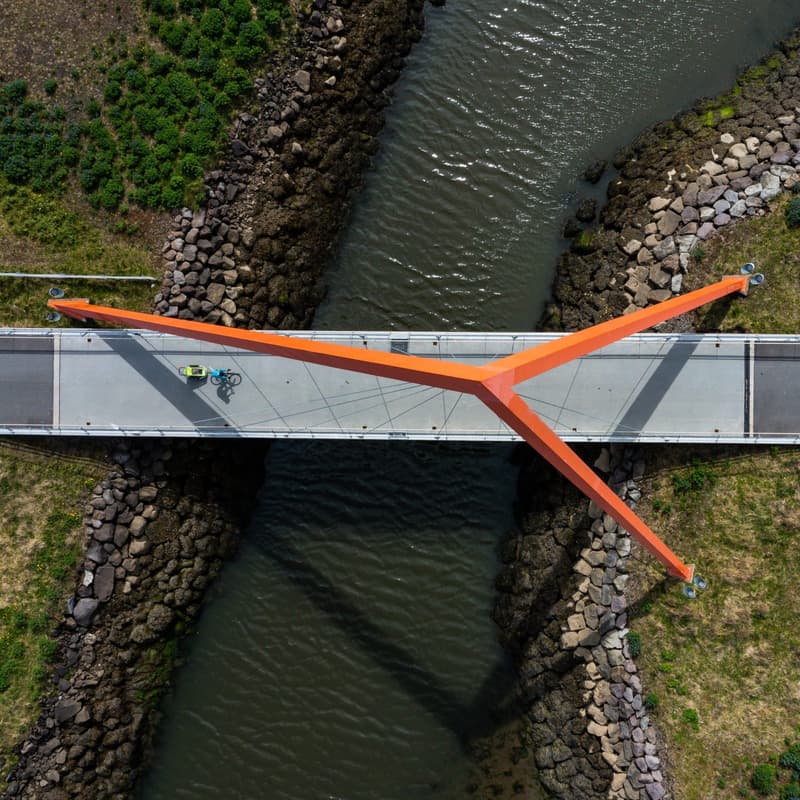
The project also included the construction of four underpasses, two bridges and one steel underpass.
The project includes the following bridges and underpasses:
- A vehicular underpass at Hraunavíkurvegur, opposite the wastewater pumping station
- A pedestrian and cycling underpass at Hraunavík
- An underpass at Straumsvík (approximately 13 m long, widened to accommodate a new walking path)
- A pedestrian and cycling underpass at Straumur
- Two bridges constructed as part of the dual carriageway widening at Rauðamel
The project also involves modifications to utility systems, including:
- Hafnarfjörður Municipality (water supply and wastewater systems)
- HS Veitur (electrical installations)
- Míla (telecommunications infrastructure)
- Orkufjarskipti and Ljósleiðarinn (telecommunications infrastructure)
- Carbfix (injection pipelines)
- ÍSAL (renewal of pipelines)
The project is scheduled for completion in June 2026.
However, work has progressed ahead of schedule, making it possible to open the road to traffic now in December. Some finishing work will continue over the winter and into the spring.
Iceland-Wales
A long history of Reykjanesbraut *
Reykjanesbraut has long played a key role in Iceland’s transport system. The route originated as an ancient trail crossing the lava fields out to the peninsula, used for over a thousand years. The road from Hvaleyri in Hafnarfjörður to Kúagerði was known as Alfaraleið (“the main route”). From there to Vogar it was called Almenningsvegur or Menningsvegur, followed by Stapagata leading to Njarðvík. Cairns and waymarkers guided travellers along the way.
In 1899, a bill was introduced proposing the construction of a carriage road between Hafnarfjörður and Keflavík, and the decision to build the road was made in 1903. Construction began in 1904, starting by the district commissioner’s residence in Hafnarfjörður. By 1907, the road had reached Hvassahraun, and by the following year Stóra-Vatnsleysa. In the spring of 1909, it was decided that the road should be extended all the way to Keflavík, and the work was completed in 1912. This made it possible to travel by horse-drawn carriage from Reykjavík to Keflavík, and the first automobile drove the route in 1913.
The road remained largely unchanged for several decades, and maintaining it proved challenging. In 1942, the route was widened and improved by the U.S. military, which was stationed on the Suðurnes peninsula at the time.
By 1958, there was strong pressure to construct a new road with a paved surface. The establishment of the cement factory in Akranes led the Director of the Icelandic Road Authority to propose that this road become Iceland’s first concrete roadway. Construction of the new Suðurnes Road began at the end of 1960 and was completed in October 1965. As a result, Reykjanesbraut became the first concrete road in Iceland’s national road network. After its completion, all international flights were routed through Keflavík Airport.
To finance the project, a toll was introduced, and a toll booth was installed. Tolls were collected until 1972, when the system was discontinued.
As traffic increased, so did the pressure to widen Reykjanesbraut and separate driving directions to improve road safety. Between 1987 and 1992, proposals to upgrade the road to a dual carriageway were submitted to Parliament six times.
However, it was not until 2003 that construction began. The first phase of the widening—from Hvassahraun to Strandarheiði—began in January 2003 and was completed in October 2004, a stretch of approximately 12.1 km. This phase included building a new two-lane carriageway, constructing two grade-separated intersections, relocating Vatnsleysustrandarvegur, constructing a 1 km gravel road toward Höskuldarvellir, and improving safety zones along the existing carriageway.
The second phase, from Strandarheiði to Njarðvík, was tendered in September 2005. Construction began in 2006 and was completed in late 2008. A total of 12.8 km of new road was built from the end of the first phase to Fitjar in Njarðvík, including two new bridges.
The new section was inaugurated on 19 October 2008, when the Minister of Transport, Kristján L. Möller, opened the final segment at Stapahverfi, marking the completion of the dual carriageway from Hvassahraun to Njarðvík.
Work then remained to widen the road all the way to Hafnarfjörður. Construction began in 2019 on a 3.2 km stretch between Kaldárselsvegur and Krýsuvíkurvegur. This phase also included a new bridge over Strandgata, new underpasses, two pedestrian bridges over Reykjanesbraut at Ásland and Þorlákstún, and extensive noise barriers. The project was notable as the first section completed within the Capital Area Transport Agreement (Samgöngusáttmálinn), and provisions were made for the future alignment of the Borgarlína bus rapid transit line beneath Reykjanesbraut at Strandgata. Traffic was opened on this section at the end of 2020, and the project was formally completed in 2021.
The final remaining section—past the aluminium smelter, from Krýsuvíkurvegur to Hvassahraun—is now being completed. With this, the widening of Reykjanesbraut from Hafnarfjörður to Reykjanesbær is fully finished.
*Source for historical information: https://ferlir.is/saga-reykjanesbrautarinnar/